
Side Dishes
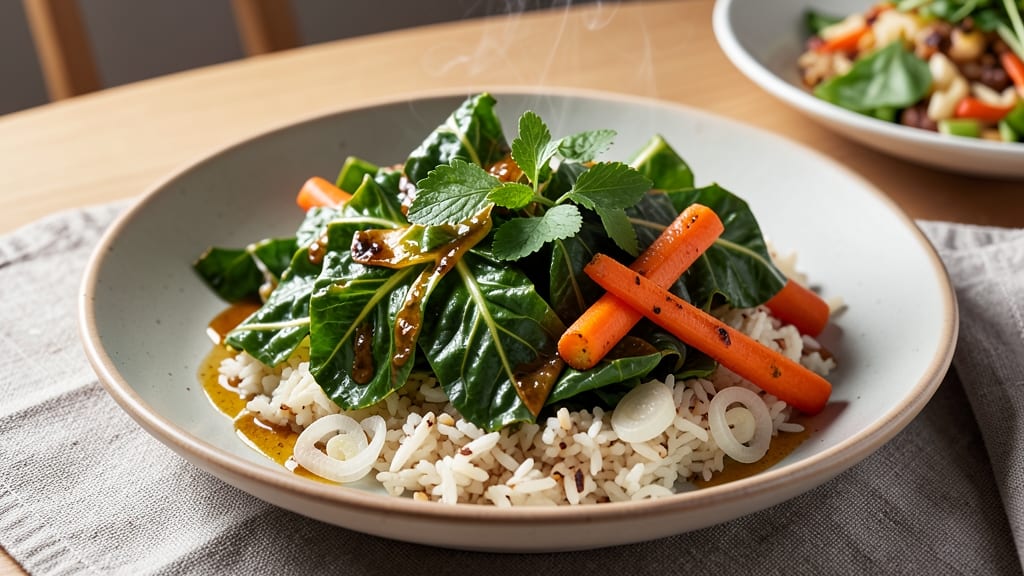
This cabbage, carrot, and rice recipe delivers a complete, vegetarian-friendly meal with crispy edges and tender centers in a single pan. The perfect balance of textures—crispy cabbage, sweet carrots, and fluffy rice—makes it a satisfying side or light main dish.
I developed this recipe to transform simple ingredients into a restaurant-worthy plate with minimal effort.
The secret lies in the cooking method: rice simmers at the bottom while cabbage and carrots roast on top, creating a golden, caramelized crust that adds depth to every bite. Seasoned with garlic, onion, and a touch of soy sauce, this dish is naturally flavorful without relying on heavy sauces.
It’s ideal for meal prep, batch cooking, or serving alongside grilled proteins for a balanced meal.
Ingredients for cabbage carrot rice
Transform simple pantry staples into a restaurant-worthy one-pan vegetarian masterpiece with crispy edges and tender centers.
| Ingredient | Amount | Notes |
|---|---|---|
| Medium Green Cabbage 🥬 | 4 cups | Shredded into thin strips |
| Carrots 🥕 | 1 ½ lb | Medium size, sliced into sticks |
| Long-Grain White Rice 🌾 | 1 cup | Uncooked, jasmine or basmati preferred |
| Yellow Onion 🧅 | 1 whole | Medium size, finely diced |
| Garlic Cloves 🧄 | 4 cloves | Fresh, minced finely |
| Fresh Ginger Root 🌿 | 1 tbsp | Grated finely (about 1-inch piece) |
| Vegetable Broth 💧 | 2 cups | Low-sodium preferred |
| Light Soy Sauce 🍶 | 2 tbsp | Kikkoman or similar |
| Sesame Oil 🫒 | 1 tbsp | Toasted, for finishing |
| Toasted Sesame Seeds 🌰 | 1 tbsp | For garnish |
| Olive Oil 🫒 | 2 tbsp | Extra-virgin for roasting |
| Salt 🧂 | 1 tsp | Diamond Crystal kosher salt |
| Ground Black Pepper 🌶️ | ½ tsp | Freshly cracked |
| Rice Vinegar 🍶 | 1 tbsp | For brightness |
The cabbage and carrots are the stars here—look for heads with crisp leaves and vibrant orange carrots at the market. Whole Foods or your local Asian grocery often carry the best carrots with sweetness intact. If using pre-shredded cabbage, give it a quick rinse to remove excess moisture. For the rice, jasmine or basmati creates the ideal fluffy texture when cooked this way. The ginger should be freshly grated—bottled ginger lacks the aromatic punch. If you can't find fresh, one-third the amount of powdered ginger works, but it's not the same.
No soy sauce? Coconut aminos or tamari are excellent substitutes, though the flavor profile shifts slightly. Short on sesame oil? Avocado oil at half the amount mimics the neutral base, but you'll miss the nutty finish. The rice vinegar is crucial for that bright, tangy note—substitute lemon juice at the same amount if needed. For the broth, low-sodium versions prevent over-salting, but homemade vegetable broth is ideal. If you're using pre-minced garlic or ginger, toast it in olive oil for 30 seconds to deepen the flavor before adding to the pan.
This dish reheats beautifully—cover with a damp paper towel and microwave for 1-2 minutes to restore crispiness. Stores for 4-5 days in the fridge, though the rice texture softens after day 2. For freezing, portion into airtight containers with a thin layer of olive oil on top to prevent drying. Thaw overnight in the fridge before reheating. The crispy top is best enjoyed fresh, so consider making extra rice if you're prepping ahead—just add it raw to the pan when reheating.
Why You'll Love This Recipe
- One-Pot Magic: I swear by this recipe when I’m too tired for multiple pans. Just toss chopped cabbage, carrots, and rice into a pot with onions and garlic—no fancy steps, just simmer until tender. The rice absorbs all the flavor, and honestly? I’ve made it with half the ingredients in my pantry and still ended up with something solid.
- Sweet-Savory Crunch: Between us, the caramelized onions and garlic take this dish to another level. The cabbage stays crisp enough to bite into while the carrots melt into sweet, earthy perfection. It’s the kind of balance that makes you go back for seconds without even trying.
- Lunchbox Hero: Here’s what sold me—this rice keeps perfectly for days. Pack it in containers for work lunches, or reheat it for dinner when you’re too wiped to cook. My kids actually eat it cold, and that’s saying something about how good it is.
- Budget Win: A head of cabbage and a bag of carrots stretch forever in this recipe. I’ve fed four people for under $8, and the leftovers? They’re the reason I don’t stress about grocery bills. Plus, white rice is cheap, so you’re basically getting a whole meal for peanuts.
Step-by-step instructions for crisp-topped savory medley
Here's the method for a perfectly balanced one-pan dish with crispy rice crust and tender vegetables.
Prepare the Vegetables and Rice
Begin by thoroughly washing the 4 cups of medium green cabbage and using a sharp mandoline or knife to shred it into thin strips. I find a mandoline gives the most even thickness, which ensures consistent cooking. Next, peel the 1.5 lb of carrots and cut them into uniform 2-inch sticks—this size guarantees they'll soften without turning mushy.
Finely dice the 1 whole yellow onion into small pieces (about ¼-inch) and mince the 4 cloves of garlic cloves until you can barely see the individual pieces. Grate the 1 tbsp of fresh ginger root using a microplane or fine grater. Set all prepped vegetables aside in separate bowls until ready to use. The key here is uniformity—consistent sizes mean even cooking throughout the pan.
Sauté the Aromatics and Roast Vegetables
Heat 1 tablespoon of the 2 tablespoons of olive oil in a large oven-safe skillet over medium heat. Add the diced onion and cook for 5 minutes until softened but not browned. Add the minced garlic and grated ginger, stirring constantly for 30 seconds until fragrant—this prevents burning while developing their flavors.
Push the aromatics to one side of the pan and add the remaining 1 tablespoon of olive oil. Add the carrot sticks and cabbage strips in a single layer, spreading them out evenly. Cook for 5 minutes, stirring occasionally, until the vegetables begin to soften slightly. This initial sauté brings out their natural sweetness and prepares them for the roasting phase.
Layer and Roast the Rice Mixture
In a medium bowl, combine the 1 cup of long-grain white rice, 2 cups of vegetable broth, 2 tablespoons of light soy sauce, 1 teaspoon of salt, and 0.5 teaspoon of ground black pepper. Stir gently to distribute the seasonings evenly. Spread this mixture evenly over the sautéed vegetables in the skillet, pressing down lightly with a spatula to ensure good contact.
Transfer the skillet to a preheated oven at 375°F. Roast uncovered for 25 minutes, then carefully flip the entire mixture using a large spatula or by inverting the pan onto a plate and back into the skillet (this creates the crispy crust). Return to the oven for another 20-25 minutes until the top is golden brown and crispy, and the rice is tender when pierced with a fork.
Finish with Flavor and Garnish
Once the rice is fully cooked, remove the skillet from the oven and let it rest for 5 minutes. Drizzle the entire dish with 1 tablespoon of toasted sesame oil and 1 tablespoon of rice vinegar, then gently toss to combine. The vinegar adds brightness that cuts through the richness of the soy sauce and sesame oil.
Sprinkle the 1 tablespoon of toasted sesame seeds evenly over the top and serve immediately. The contrast of crispy rice crust with tender vegetables and aromatic broth makes this dish truly special. Each bite should deliver a perfect balance of textures and flavors, with the vegetables maintaining their natural sweetness and the rice providing satisfying chewiness.
Pro Tips For Making Cabbage Carrot Rice
- CHOP CABBAGE SMALL: Tiny wedges—about 1-inch pieces—cook faster and more evenly than big chunks. I used to fight soggy cabbage until I realized evenness matters more than perfection in shape.
- SAUTÉ ONIONS LOW: After the initial sear, drop the heat to medium-low once onions soften. Burnt onions make the whole dish taste bitter, and no one wants that sad, acrid note in their rice.
- COOK RICE AL DENTE: Pull rice off heat when it’s just tender—not mushy. Let it sit covered for 5 minutes; it’ll finish cooking in residual steam. Overcooking turns it gluey, and we’re not making a rice casserole.
- SALT THE WATER BIG: Use 1.5 teaspoons of salt per 4 cups of water—more than you’d use for pasta. The rice absorbs flavor, and bland rice ruins everything. Taste the water before adding rice; it should be noticeably salty.
Storing and reheating this recipe
Fridge Storage Tips
Store your crisp-topped cabbage carrot rice in an airtight container for up to 4-5 days in the fridge. The key is to let it cool completely before sealing—hot food creates condensation that can make the rice soggy.
I use glass Pyrex containers because they keep flavors fresh longer than plastic. 🥬
For best texture, reheat portions within 2 days of storage. The cabbage and carrots hold up well, but the crispy rice crust will soften over time. If you notice the top losing its crunch, sprinkle a pinch of salt and a drizzle of sesame oil before reheating to revive it.
Freezer-Friendly Prep
This dish freezes beautifully for up to 3 months—just portion it into quart-sized freezer bags with 1 inch of headspace to prevent expansion cracks. I like to add a thin layer of olive oil on top before sealing to preserve moisture. Label bags with the date to track freshness.
Thaw overnight in the fridge before reheating. For quick meals, transfer frozen portions directly to a cold skillet and cook over medium-low heat with 2 tablespoons water for 10-12 minutes, stirring occasionally. The moisture helps restore the crispy texture.
Reheating for Crispy Results
My favorite method is stovetop reheating with a splash of water. Spread the rice evenly in a skillet over medium heat, add 2 tablespoons water, cover with a lid, and cook for 5-7 minutes.
The steam helps recreate that golden crust. For extra crispiness, broil for 1-2 minutes at the end.
If using the microwave, cover with a damp paper towel and heat in 1-minute intervals on 70% power. This prevents drying while restoring some texture. Finish with a fresh sprinkle of sesame seeds and a drizzle of sesame oil for that restaurant-quality finish. ✨
Make-Ahead Rice Hack
Prep the rice base separately and store it in the fridge for 2 days before assembling the full dish. Cook the rice as directed, then refrigerate it in a container.
When ready to serve, layer the cold rice over the roasted vegetables and finish in the oven. This ensures maximum crispiness while saving time.
For meal prep, I often make double the rice and freeze half. When reheating, I just add the fresh vegetables and soy sauce mixture on top, then finish in the oven. This keeps the dish exciting while cutting prep time in half. 💡
Nutrition facts
Frequently asked questions
Can I substitute white cabbage for green cabbage in this recipe?
Yes, you can use white cabbage, but green cabbage has a slightly sweeter flavor and more vibrant color. If using white cabbage, look for heads with dense, crisp leaves. You may want to add an extra ½ teaspoon of salt to compensate for the milder taste. The cooking time and method remain the same.
How do I make this dish gluten-free?
Replace the light soy sauce with tamari or coconut aminos (both gluten-free soy alternatives) and ensure your vegetable broth is certified gluten-free. Double-check that all other ingredients, like sesame oil and sesame seeds, are also gluten-free labeled. The rest of the recipe stays unchanged.
Why did my cabbage turn mushy instead of crispy?
Overcooking or using thick cabbage strips causes mushiness. Stick to thin, even shreds and roast at 375°F for no longer than 30 minutes total. For extra crispiness, add the cabbage to the pan just 10 minutes before the rice is done. The high heat at the end helps maintain texture.
Can I make this recipe with brown rice or quinoa?
Brown rice works but requires 15-20% more liquid and 10-15 extra minutes of cooking time. Quinoa is trickier due to its dense texture—it may not achieve the same crispy crust. If using quinoa, reduce the amount to ¾ cup and increase the broth to 2.5 cups. Test doneness early.
What's the best way to serve this dish?
This crisp-topped medley pairs perfectly with grilled proteins like chicken or tofu, or as a standalone vegetarian meal. For extra flair, serve with a side of quick-pickled cucumbers or a drizzle of spicy sriracha mayo. It also makes a great cold salad when fully cooled—just toss with extra sesame dressing.