
Main Courses
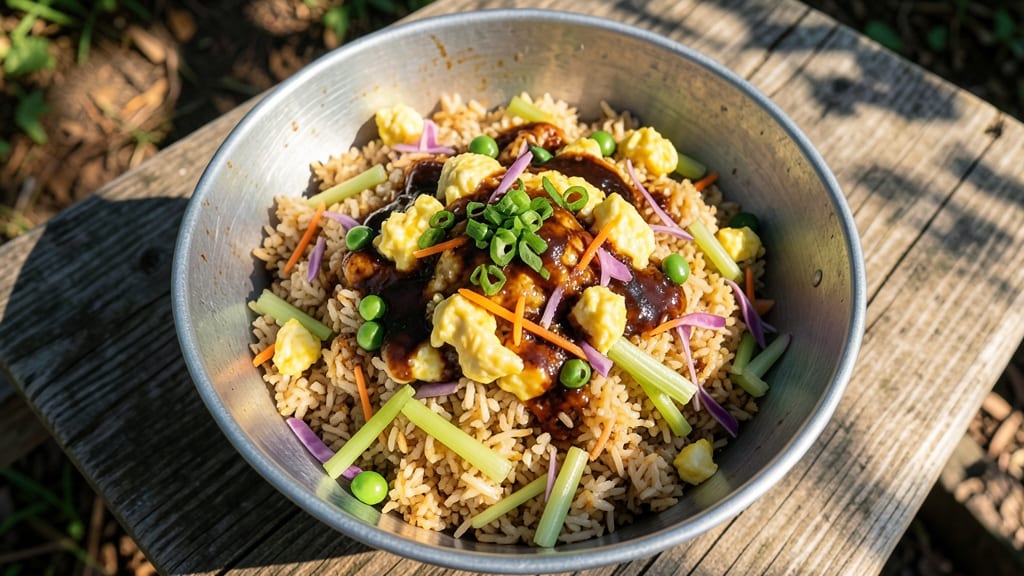
Camping fried rice transforms leftover rice into a hearty, crispy skillet meal that's perfect for campfires. This recipe uses simple ingredients and minimal equipment—just a pan and a few minutes over the flames to create restaurant-quality texture with smoky depth. The secret lies in high-heat tossing and prepped ingredients that stay fresh in your pack.
With eggs for richness, frozen veggies for crunch, and optional protein like canned chicken or tofu, this fried rice delivers satisfying bites every time. Pre-chop ingredients at home and store them in ziplock bags to save time at camp.
The result? Crispy edges, tender rice, and a flavor profile that tastes like a home-cooked meal miles away from the kitchen.
Ingredients for camping fried rice
Simple ingredients that pack maximum flavor for your campfire pan—no fancy tools needed.
| Ingredient | Amount | Notes |
|---|---|---|
| Day-Old Cooked Rice 🍚 | 4 cups | Cold, preferably jasmine or basmati |
| Large Eggs 🥚 | 2 whole | Room temperature for even cooking |
| Frozen Mixed Vegetables 🥕 | 1 ½ cups | Peas, carrots, corn (no thawing needed) |
| Celery Sticks 🧅 | 1 cup | Pre-chopped, for smoky crunch |
| Green Onions 🧅 | ½ cup | Thinly sliced, white and green parts |
| Soy Sauce 🍶 | ⅓ cup | Low-sodium preferred, store in small bottle |
| Sesame Oil 🫒 | 1 tbsp | Toasted for authentic flavor |
| Vegetable Oil 🫒 | 2 tbsp | High smoke point for campfire heat |
| Garlic Cloves 🧄 | 3 cloves | Minced, prepped at home |
| Ginger Root 🌿 | 1 tbsp | Freshly grated, optional |
| Salt 🧂 | ½ tsp | Adjust to taste |
| Black Pepper 🌶️ | ¼ tsp | Freshly cracked |
| Canned Chicken or Tofu 🍗 | 1 cup | Drained, optional protein |
The rice is your base, so jasmine or basmati work best—they stay separate when tossed. Day-old rice is ideal (cook extra at home), but if you're using fresh, spread it on a tray to cool quickly. For the veggies, frozen mixed vegetables are perfect—they won't wilt in your pack, and you can toss them straight from frozen. Celery adds that smoky crunch, so grab a bunch and pre-chop it at home. Store everything in ziplock bags to keep ingredients fresh and organized. The soy sauce? Grab a small travel bottle—it's a game-changer for flavor without bulk.
No soy sauce? Coconut aminos works in a pinch, though it's slightly sweeter. Short on celery? Bell peppers or snap peas add crunch too. The eggs should be room temperature for even cooking—crack them into a small container at home and toss it in your pack. For the protein, canned chicken or tofu are both solid options, but if you're skipping it, the veggies alone will keep it hearty. The sesame oil is where the magic happens—use the toasted kind for that authentic wok-house flavor. And if you're feeling fancy, add a dash of fish sauce (if your diet allows) for umami depth.
Prep ahead is key here. Pre-chop everything at home—garlic, ginger, onions, and veggies—then store in separate bags. The rice will keep for 3-4 days in the fridge, and the veggies stay good for a week frozen. Once you're at camp, the eggs and protein should go in a cooler if it's warm out. The cooked fried rice reheats beautifully—just toss it in the pan again with a splash of water. Leftovers? Store in a sealed container for up to 2 days at camp.
Why You'll Love This Recipe
- Here’s what sold me: that perfect mix of scrambled eggs with a slightly crispy edge and fluffy, slightly sticky rice. The frozen veggies soften just enough to blend into every bite, while the celery keeps it from feeling too heavy.
- No-Fuss Pantry Staples: I swear by this recipe because it uses what I always have—day-old rice, eggs, and frozen veggies. No last-minute grocery runs, no fancy prep. The celery and green onions add just enough freshness without extra effort.
- Crispy Eggs, Creamy Rice: Here’s what sold me: that perfect mix of scrambled eggs with a slightly crispy edge and fluffy, slightly sticky rice. The frozen veggies soften just enough to blend into every bite, while the celery keeps it from feeling too heavy.
- Campfire or Countertop: Between us, this is my go-to for both lazy weeknights and camping trips. Same recipe, same ingredients—just swap the stove for a campfire grate if you’re outdoors. Honestly, it tastes better when you’re not stressing over a hot kitchen.
Step-by-step instructions for crispy camping fried rice
Here's how to transform cold rice into restaurant-quality fried rice with smoky depth and perfect texture.
Prep All Ingredients for Efficient Cooking
Break the 4 cups day-old cooked rice into smaller clumps with your hands - this prevents clumping during cooking. In a separate bowl, whisk together the 2 whole large eggs with 0.25 tsp black pepper until just combined but still slightly lumpy. This ensures tender egg curds rather than scrambled texture.
Mince the 3 cloves garlic and grate the 1 tbsp ginger root - these aromatics form the flavor foundation. Thinly slice the 0.5 cup green onions and set aside. Keep the 1 cup celery sticks and 1.5 cups frozen mixed vegetables ready to add - no thawing needed for the frozen veggies.
Create the Crispy Base with High Heat
Heat a large skillet or cast iron pan over medium-high heat until hot. Add 2 tbsp vegetable oil and swirl to coat. When the oil shimmers (about 1 minute), add the 1 cup celery sticks and cook for 2-3 minutes until they develop golden brown spots and release their natural oils. Remove and set aside.
In the same pan, add the 1.5 cups frozen mixed vegetables and stir-fry for 3-4 minutes until just tender-crisp. Add the 3 cloves minced garlic and 1 tbsp grated ginger root, cooking for 30 seconds until fragrant. This quick cooking preserves the vegetables' texture while building flavor.
Cook the Eggs and Combine Ingredients
Push the vegetables to one side of the pan, add a little more oil if needed, then pour in the egg mixture. Scramble gently for 30-45 seconds until the eggs are just set but still slightly moist. Immediately add the 4 cups day-old rice, breaking up any large clumps with your spatula.
Pour 0.33 cup soy sauce and 1 tbsp sesame oil over the rice, then add the 0.5 tsp salt. Stir-fry vigorously for 3-4 minutes until the rice becomes golden brown in spots and the edges begin to crisp. This is where the magic happens - the high heat creates that perfect wok hei texture.
Finish with Protein and Garnish
Add the 1 cup drained canned chicken or tofu and the reserved 1 cup celery sticks to the pan. Stir-fry for another 2 minutes until everything is heated through and the celery has softened slightly. The protein should be warmed through but not overcooked.
Taste and adjust seasoning if needed - you may want to add a splash more soy sauce or a pinch of salt. Garnish with the 0.5 cup sliced green onions and serve immediately while still hot. The rice should be crispy around the edges with tender centers, and each bite should deliver that perfect balance of smoky, savory, and slightly sweet flavors.
Pro Tips For Making Camping Fried Rice
- CRANK THE HEAT FIRST: Your camp stove might be finicky, but fried rice demands high heat from the start—get that pan screaming before adding oil. I learned this the hard way when my first batch turned out soggy because I was too patient with a lukewarm pan. Once the oil shimmers, dump in the rice and work fast.
- THAW VEGETABLES IN HOT WATER: Frozen veggies straight from the bag? Toss them in boiling water for 30 seconds first—this mimics the thawing process without turning them to mush. I skip this step sometimes, and the celery sticks always end up rubbery. A quick drain and pat dry keeps them crisp enough to bite into.
- SCRAMBLE EGGS SEPARATELY: Cook the eggs in a clean, dry section of the pan first—over medium heat until just set, then break them into soft curds. Dumping raw eggs into the rice mix makes it gloppy and uneven. My grandmother swore by this, and she was right: the eggs stay fluffy and distinct, not scrambled into oblivion.
- SALT THE RICE BEFORE FRYING: Toss the cold rice with a pinch of salt (about ½ teaspoon per cup) before it hits the pan. This seasoning gets absorbed as it reheats, rather than just sitting on top like an afterthought. I used to add salt at the end, and the flavor always felt shallow—this guarantees every grain tastes like it’s been kissed by the fire.
Wine and beer pairings for this recipe
Light Lager Pairings
A crisp Pilsner like Stella Artois or Heineken is my go-to for camping fried rice. The clean, slightly sweet malt profile balances the smoky depth from the campfire pan while cutting through the richness of the eggs and soy sauce.
The effervescence also helps cleanse your palate between bites, making it perfect for outdoor meals where you might be eating straight from the pan. 🍺
Sake for Authentic Flavor
If you're feeling adventurous, bring a small bottle of dry sake like Kubota Junmai Daiginjo. The subtle umami notes complement the soy sauce and sesame oil beautifully, while its clean finish mirrors the dish's crispy texture.
Sake's lower alcohol content also means you won't feel the heat as much when enjoying it around the fire. Serve it slightly chilled for the best experience.
Non-Alcoholic Options
For those skipping alcohol, sparkling rice tea or ginger beer makes excellent companions. The effervescence and slight spice from ginger beer echo the dish's smoky-sweet profile, while a chilled green tea with lemon adds a refreshing contrast.
I like San Pellegrino Aranciata for its citrusy brightness that pairs well with the umami flavors.
Red Wine for Heartier Versions
If you've added extra protein like tofu or canned chicken, a light Pinot Noir from Oregon or a Gamay from France works surprisingly well. The red fruit notes in these wines complement the soy sauce and sesame oil, while their acidity cuts through the richness.
Just avoid heavy, tannic reds that would overpower the dish's delicate balance.
Beer Storage Tips
Keep your beer or wine cool in a cooler with ice packs—never leave drinks in direct sunlight or near the fire. For sake, use a small insulated bottle or freeze it ahead of time to keep it cold.
I like RTIC beer coolers for their durability and portability. Pro tip: Pack a portable wine opener and a mini corkscrew to avoid spills at camp.
Nutrition facts
Frequently asked questions
Can I make this fried rice with fresh rice instead of day-old?
Fresh rice works, but it's trickier—it'll turn mushy from all the moisture. If you must use it, spread the freshly cooked rice on a tray to cool quickly, then break it into small clumps before cooking. For best texture, day-old rice is ideal since it's drier and absorbs flavors better. Pro tip: Cook extra rice at home specifically for camping!
What's the best way to store ingredients for camping?
Pack ingredients in ziplock bags to save space and keep things fresh. Pre-chop veggies, garlic, and ginger at home and store separately. Frozen veggies stay good indefinitely, while eggs and protein should go in a cooler. The rice will keep for 3-4 days in the fridge—just store it in an airtight container.
How do I adjust this recipe for a one-person campout?
Halve everything: use 2 cups rice, 1 egg, 0.75 cups veggies, and 0.15 cup soy sauce. Cook in a small skillet or even a cast-iron pan over a portable stove. The high-heat method still works—just reduce quantities proportionally.
Can I use a campfire grill instead of a pan?
Yes! Use a cast-iron skillet or grill grate over the fire. Preheat the pan until smoking hot, then cook as directed. For extra smoky flavor, add a few wood chips to the fire before cooking. Just watch the heat—campfires can be hotter than stovetops, so stir frequently to avoid burning.
What if I don't have soy sauce?
Use coconut aminos (slightly sweeter) or teriyaki sauce in a pinch. For a saltier option, mix 1 tbsp fish sauce (if your diet allows) with 1 tbsp honey or sugar. Just reduce the extra salt in the recipe. The dish will still taste great—just expect a slightly different flavor profile.