
Main Courses
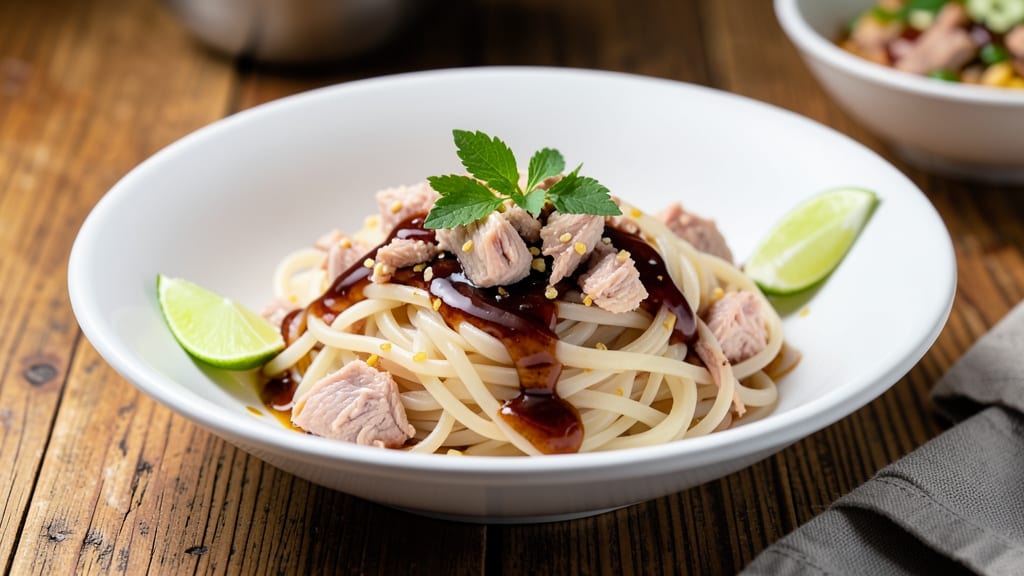
This canned tuna rice noodles recipe transforms pantry staples into a quick, umami-rich meal that delivers restaurant-quality flavor in just 20 minutes. The secret lies in balancing the natural saltiness of canned tuna with bright citrus and aromatic seasonings—no fancy ingredients needed.
Perfect for pescatarians or anyone craving a fast, protein-packed dish without sacrificing depth of flavor.
With just one pan, you’ll boil rice noodles until tender, mix in flaked tuna, and toss with a zesty lime-soy dressing for a dish that’s crisp, tangy, and satisfying.
The texture is ideal—chewy noodles hold up to the flaky tuna, while the dressing adds a refreshing kick. Ready in under 20 minutes, this meal is your new weeknight hero.
Ingredients for canned tuna rice noodles
Pantry staples meet bright Asian-inspired flavors for a protein-packed meal in minutes.
| Ingredient | Amount | Notes |
|---|---|---|
| Rice Noodles 🍜 | 8 oz | Thin or medium width preferred |
| Canned Tuna in Water 🐟 | 2 cans | High-quality, drained well |
| Lime Juice 🍋 | ¼ cup | Freshly squeezed, seeds removed |
| Soy Sauce 🍶 | ¼ cup | Low-sodium preferred |
| Sesame Oil 🫒 | 1 tbsp | Toasted for authentic aroma |
| Garlic Cloves 🧄 | 3 cloves | Minced finely for depth |
| Fresh Ginger 🌿 | 1 tbsp | Grated, finely for zing |
| Green Onions 🧅 | ¼ cup | Thinly sliced, white and green parts |
| Vegetable Oil 🫒 | 1 tbsp | High smoke point for cooking |
| Sesame Seeds 🌾 | 1 tbsp | Toasted for crunch |
| Diamond Crystal Kosher Salt 🧂 | ½ tsp | For seasoning balance |
| Black Pepper 🌶️ | ¼ tsp | Freshly cracked for heat |
| Red Chili Flakes 🔥 | ½ tsp | Adjust for spice preference |
| Honey 🍯 | 1 tsp | For subtle sweetness |
The tuna quality makes all the difference—Wild Planet or Vital Choice brands deliver superior texture and flavor. Rice noodles should be fresh, not dried out, so check the package date. For the lime, Mexican or Persian limes are ideal, but regular limes work fine. Soy sauce? Kikkoman or La Choy are reliable; just reduce the salt if using low-sodium. Sesame oil is non-negotiable for that authentic aroma—Kadoya or La Tourangelle are top choices. If you're using jarred ginger, make sure it's labeled 'fresh'—the ground stuff lacks the same punch.
No lime juice? Lemon works in a pinch, but the flavor won't be quite the same. Low on soy sauce? Coconut aminos or tamari are great substitutes. Fresh ginger not available? Ground ginger at half the amount will work, though it's less vibrant. The garlic can be pre-minced from a jar if you're short on time, but freshly minced has more impact. For extra umami, add 1 tsp fish sauce—just ensure it's labeled gluten-free if needed. The honey balances the acidity; maple syrup works too if you prefer.
Store uncooked rice noodles in an airtight container in a cool, dry place for up to 6 months. Once cooked, they're best eaten immediately, but you can refrigerate for 2-3 days if sealed tightly. The dressing keeps for 5 days in the fridge, so make extra for salads or drizzling over veggies. For leftovers, reheat gently with a splash of water to restore chewiness. Freezing isn't recommended for the noodles, but the dressing freezes beautifully for 3 months—perfect for batch prep.
Why You'll Love This Recipe
- Pantry Magic: I swear by this one—no fresh herbs, no fancy prep, just a can of tuna, a squeeze of lime, and boom. The sesame oil ties everything together with that nutty, umami punch that makes it taste like you slaved away for hours.
- Bright & Tangy: That lime juice? It’s the MVP here. One squeeze cuts through the richness of the tuna and soy sauce, giving you this fresh, almost summery bite that makes it feel lighter than it is. Honestly, it’s the kind of flavor that sticks with you.
- Lunchbox Hero: Between us, this is my go-to for packed lunches or quick office meals. The noodles hold up perfectly, and the tuna stays moist—no sad, watery leftovers here. Toss in a few cucumber slices, and you’ve got a meal that’s basically a spa day for your taste buds.
- Budget Win: I made this last week for under $3 per serving. Canned tuna, rice noodles, a lime—it’s the kind of meal that lets you stretch your grocery budget without sacrificing flavor. Plus, leftovers? They’re just as good cold the next day.
Step-by-step instructions for canned tuna rice noodles
Here's how to create a perfectly balanced, umami-rich dish with minimal effort and maximum flavor.
Prepare the Aromatic Base
Heat the 1 tablespoon vegetable oil in a large skillet or wok over medium-high heat until shimmering. Add the 3 cloves minced garlic cloves and 1 tablespoon finely grated fresh ginger, stirring constantly for 30-45 seconds until fragrant but not browned. This quick cooking preserves their fresh flavors without bitterness.
Immediately add the 0.5 teaspoon red chili flakes and stir for 10 seconds to toast them lightly—this deepens their heat and aroma. The pan should smell vibrant and slightly spicy. If you notice any garlic pieces sticking, add a splash of water to release them from the pan. This aromatic base forms the flavor foundation for your dish.
Cook the Rice Noodles
Add the 8 ounces rice noodles to the skillet and stir vigorously with tongs for 1-2 minutes until they begin to soften and turn translucent. The noodles should cling together slightly—this indicates they're absorbing the aromatic flavors. Pour in 2 cups boiling water (or use the water from your noodle package) and stir once to distribute.
Cover the skillet with a lid and cook for 3-4 minutes over medium heat, stirring occasionally, until the noodles are tender but still slightly firm—they'll finish cooking in the residual heat. Avoid overcooking here; you want them al dente so they don't turn mushy when combined with other ingredients. If they stick, add another splash of water and stir gently.
Incorporate the Tuna and Sauce
Remove the skillet from heat and gently fluff the noodles with a spatula. Add the 2 cans drained canned tuna in water, breaking them into smaller pieces with your hands. Stir in the 0.25 cup soy sauce, 0.25 cup lime juice, and 1 tablespoon sesame oil, mixing thoroughly to combine. The acidity from the lime will brighten the dish while the soy sauce adds umami depth.
Return the skillet to low heat and add the 1 tablespoon finely sliced green onions and 1 teaspoon honey, stirring gently for 1-2 minutes until everything is evenly coated and heated through. The honey adds subtle sweetness that balances the savory and spicy elements. Taste and adjust seasoning with the 0.5 teaspoon kosher salt and 0.25 teaspoon black pepper as needed.
Finish and Garnish
Transfer the noodle mixture to serving bowls, dividing evenly for 4 servings. Drizzle each portion with an additional ½ teaspoon sesame oil and sprinkle generously with 1 tablespoon toasted sesame seeds. The sesame seeds add a satisfying crunch that contrasts beautifully with the tender noodles and flaky tuna.
Garnish with extra green onion slices and serve immediately while the noodles are still warm. The dish should have a harmonious balance of textures—chewy noodles, tender tuna, crisp sesame seeds—and flavors that dance between savory, tangy, and slightly sweet. For extra freshness, serve with lime wedges on the side for squeezing over each bite.
Pro Tips For Making Canned Tuna Rice Noodles
- Drain and Rinse Noodles: Rice noodles stick like glue when overcooked, so drain them just before adding the tuna mixture—not earlier. Toss them with a splash of warm water (about 2 tablespoons) to soften without turning mushy, then mix in the sauce right away. I learned this after slurping through a bowl of sad, clumpy noodles.
- Use Cold Water for Tuna: Drain the canned tuna and rinse it under cold water for 10 seconds—this cuts the fishy aftertaste that ruins the balance. Pat it dry with a paper towel, then flake it into the noodles while they’re still warm. Skipping this step makes the lime and soy sauce fight for flavor instead of working together.
- Soy Sauce First, Lime Last: Add the soy sauce to the noodles before the lime juice—this lets the salt integrate evenly. Wait 30 seconds, then finish with lime to brighten the dish without making the noodles taste sharp. I was skeptical until I tried it: the acidity hits differently when added last, like a proper finish.
- Toast the Sesame Oil: Heat the sesame oil in a dry pan for 10 seconds until it smells nutty (not smoking)—this deepens its flavor way more than drizzling it raw. Pour it over the noodles right before serving so the aroma pops. Yes, it’s an extra step, but it turns a simple bowl into something that tastes like it came from a street stall.
Troubleshooting this dish
Noodles Too Soft
If your rice noodles turn mushy, you likely overcooked them or didn't drain properly. Always cook them in boiling water for just 2-3 minutes (or package instructions) until al dente, then drain immediately.
For this recipe, I recommend cooking them directly in the pan with aromatics—just add 2 cups boiling water and cover for 3-4 minutes. If they're already overcooked, stir in 1 teaspoon soy sauce and ½ teaspoon sesame oil to add body and flavor. 🍜
Tuna Too Salty
Canned tuna in water can sometimes taste overly salty, especially if you're using lower-quality brands. To fix this, rinse the drained tuna under cold water before adding it to the noodles.
Balance the saltiness by increasing the lime juice to 0.33 cup and adding 1 extra tablespoon honey to cut through the salt. The acidity helps reset the flavor profile. 💡
Dressing Too Thin
A watery dressing can ruin the texture of your dish. If your sauce seems too thin, reduce it by simmering the soy sauce, lime juice, and sesame oil mixture in a small saucepan over medium heat for 2-3 minutes until slightly thickened.
For a quick fix, stir in ½ teaspoon cornstarch mixed with 1 teaspoon water and cook for 30 seconds until it gels. 🍶
Lacking Umami Depth
If your dish tastes flat, it likely needs more umami. Boost the flavor by adding 1 teaspoon fish sauce (ensure it's gluten-free if needed) or ½ teaspoon MSG to the sauce. For a vegetarian-friendly option, stir in 1 teaspoon nutritional yeast or an extra ½ teaspoon soy sauce.
The key is balancing the saltiness with acidity—add a splash of lime juice if needed. 🌟
Sticking Noodles
Rice noodles stick when they dry out or aren't cooked properly. Always cook them in boiling water and stir gently with chopsticks or a silicone spatula. If they stick during cooking, add 1-2 tablespoons water or broth and cover for 1 minute to steam them loose.
For extra insurance, toss the cooked noodles with ½ teaspoon sesame oil before mixing with other ingredients. 🔥
Overpowering Chili Heat
If the red chili flakes make the dish too spicy, balance the heat with 1 extra tablespoon honey or ½ teaspoon sugar. The sweetness will mellow the spice while enhancing the overall flavor.
For a cooling effect, stir in 1 teaspoon fresh lime zest or a pinch of baking soda (⅛ teaspoon)—it sounds weird, but it works! 🌶️
Nutrition facts
Frequently asked questions
Can I use any type of rice noodles for this recipe?
Thin or medium-width rice noodles work best—they cook faster and hold up better to the tuna and dressing. Avoid thick rice noodles (like pad Thai noodles) as they'll be too chewy and may not absorb flavors evenly. For extra authenticity, look for "vermicelli" or "sen leung" noodles, which are commonly used in Asian-inspired dishes.
What if I don't have fresh lime juice?
Lemon juice works in a pinch, but the flavor won't be identical. For best results, use 0.33 cup lemon juice instead of lime, as it's slightly less acidic. If you're using bottled lime juice, reduce to 0.2 cup—it's often more concentrated. The dish will still taste great, but the bright citrus note will be milder.
How do I make this recipe gluten-free?
Skip the regular soy sauce and use tamari or coconut aminos instead (both are naturally gluten-free). Double-check your canned tuna label—some brands process their fish in facilities that handle gluten. For extra umami, add 1 teaspoon fish sauce (ensure it's certified gluten-free) or ½ teaspoon nutritional yeast. The dish will still be flavorful and safe for gluten-sensitive diets.
Can I meal prep this dish?
Cooked rice noodles don't reheat well—they turn mushy. Instead, prep the aromatic base (garlic, ginger, chili) and dressing (soy sauce, lime, sesame oil) separately and store them in airtight containers for 5 days. When ready to eat, cook fresh rice noodles, mix with drained tuna, and toss with the prepped components. For best texture, serve immediately.
What's the best way to flake canned tuna for this dish?
Use your fingers! Drain the tuna and gently break it apart with your hands into ¼-inch to ½-inch pieces. This creates a flaky texture that mixes better with the noodles. For extra tenderness, press the tuna lightly with a fork before adding it to the pan. Avoid over-flaking—smaller pieces can turn into a paste when combined with the dressing.