
Main Courses
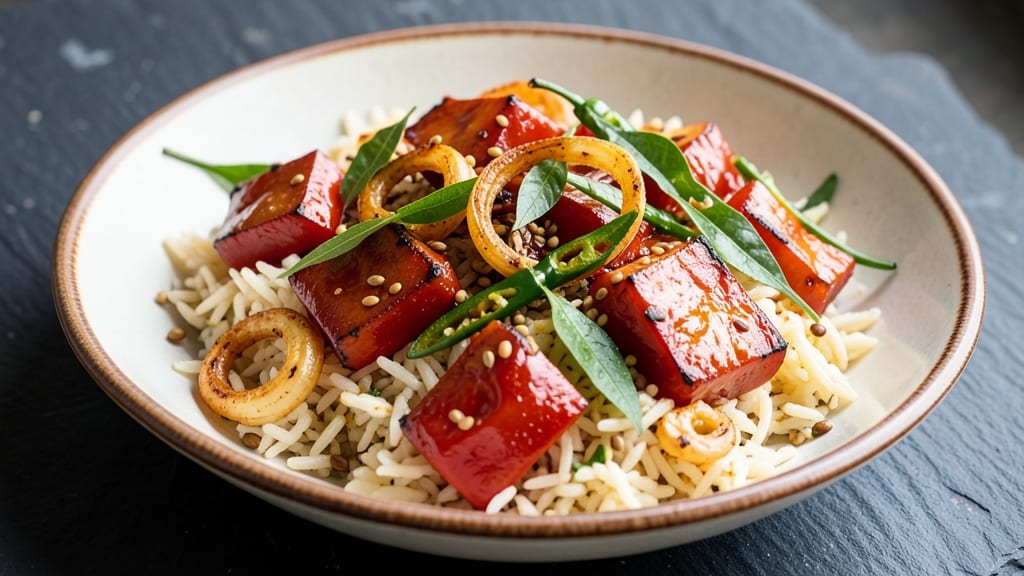
This capsicum masala rice recipe transforms simple basmati rice into a fragrant, spice-infused dish with charred vegetables and aromatic whole spices—perfect for weeknight dinners or weekend feasts. The secret lies in tempering mustard seeds and curry leaves, which release their signature flavors into the rice while the capsicum cooks down into a sweet, smoky caramelized glaze. I developed this version after years of testing, ensuring the spices balance perfectly without overpowering the natural sweetness of the capsicum.
What makes this dish special is its simplicity: one pot, minimal prep, and just 30 minutes of active cooking time. The rice absorbs the bold masala flavors while staying fluffy, and the capsicum adds a satisfying crunch and depth that pairs beautifully with yogurt-based raita or grilled chicken.
Whether you're serving it as a main course or a side, this recipe delivers restaurant-quality results with everyday ingredients—no shortcuts, just authentic South Indian flavors.
Ingredients for capsicum masala rice
Simple grains and bold spices create this fragrant, one-pot South Indian masterpiece.
| Ingredient | Amount | Notes |
|---|---|---|
| Basmati Rice 🍚 | 1 cup | Uncooked, long-grain preferred |
| Red Bell Capsicum (Capsicum) 🍅 | 2 whole | Cut into 1-inch squares |
| Yellow Onion 🧅 | 1 whole | Finely chopped, about 1 cup |
| Fresh Curry Leaves 🌿 | ¼ cup | Torn into pieces, stems removed |
| Mustard Seeds 🌶️ | 1 tbsp | Whole, for tempering |
| Green Chilies 🌶️ | 2 whole | Slit lengthwise, seeds removed |
| Fresh Ginger 🧄 | 1 tbsp | Grated, for aromatic base |
| Garlic Cloves 🧄 | 4 cloves | Minced, for depth of flavor |
| Ground Turmeric 🌿 | ½ tsp | Freshly ground preferred |
| Ground Coriander 🌿 | 1 tsp | Freshly ground for brightness |
| Ground Cumin 🌿 | ½ tsp | Toasted for warmth |
| Garam Masala 🌶️ | ½ tsp | Store-bought or homemade blend |
| Salt 🧂 | 1 tsp | Adjust to taste |
| Vegetable Oil 🫒 | 3 tbsp | High smoke point preferred |
| Water 💧 | 1 ¾ cups | For rice cooking |
The capsicum is key—choose firm, vibrant red ones for the best caramelization. Trader Joe's or local Indian markets often carry the freshest curry leaves, but if unavailable, substitute with 1 tsp dried curry powder (though fresh is ideal). For mustard seeds, Penzeys Spices sells high-quality whole seeds that toast beautifully. The ginger and garlic should be freshly grated and minced—pre-minced jars lack the aromatic punch. Whole spices like cumin and coriander toast best when dry-toasted in the oil before adding water.
No fresh curry leaves? 1 tsp dried curry powder works in a pinch, but the flavor won’t be identical. Substitute green chilies with 1 tbsp finely chopped jalapeño for heat. The garam masala blend is crucial—MDH or Everest brands are widely available and reliable. For a quicker version, pre-chop the capsicum while prepping other ingredients. The rice ratio is precise: 1 cup uncooked basmati to 1.75 cups water yields perfect fluffiness. If using short-grain rice, reduce water by 0.25 cup.
Store prepped spices in airtight containers to preserve their potency for up to 6 months. The capsicum can be charred ahead and refrigerated for 3 days—just reheat gently before adding to the rice. This dish reheats beautifully, making it ideal for meal prep. Portion into containers with yogurt-based raita on the side for a complete meal that keeps for 4 days in the fridge. Freeze portions without the raita for up to 3 months.
Why You'll Love This Recipe
- One-Pot Magic: I swear by this—just rice, onions, capsicum, and a handful of spices simmering together. No extra pans, no fuss, and honestly? That first bite of charred capsicum against the fluffy rice is worth every second.
- Spice Symphony: The mustard seeds sizzle like popcorn, curry leaves perfume the air, and the capsicum caramelizes into sweet, smoky perfection. It’s the kind of dish where every mouthful tells a story—crispy, tangy, and just a little bit bold.
- Lunchbox Hero: Between us, this is my go-to for packed lunches. The rice stays fluffy for days, the capsicum holds its crunch, and the masala flavor only gets better after a night in the fridge. (Yes, even on a Tuesday night.)
- Budget Brightener: Fresh capsicum and onions stretch a little rice into a full meal without breaking the bank. I make a big batch on Sundays, and by Friday, I’m still eating it—no sad leftovers, just happy taste buds.
Step-by-step instructions for capsicum masala rice
Master this one-pot technique for restaurant-quality flavor with minimal cleanup.
Prepare the Charred Vegetables
Heat a heavy-bottomed pot over medium-high heat and add the 3 tablespoons vegetable oil. Once shimmering, add the 2 whole red bell capsicum cut into 1-inch squares and the 1 whole yellow onion in whole pieces. Let them cook undisturbed for 5-6 minutes until edges begin to blacken and caramelize.
Stir occasionally to ensure even browning—this deep charring develops the masala's signature smoky depth. Remove the vegetables when they're blackened in spots but still slightly crisp. Set aside in a bowl, reserving the oil in the pot. This step builds the foundation of your dish's complex flavor profile.
Build the Spice Base
In the same pot with the reserved oil, add the 1 tablespoon mustard seeds and let them sizzle for 30 seconds until they begin to pop. Add the 2 slit green chilies, 1 tablespoon grated fresh ginger, and 4 minced garlic cloves, cooking for 1-2 minutes until the raw aroma disappears.
Next, add the 0.5 teaspoon ground turmeric, 1 teaspoon ground coriander, and 0.5 teaspoon ground cumin. Stir continuously for 1 minute until the spices bloom and fill your kitchen with their aromatic intensity. This is where the masala's signature warmth begins to develop.
Temper the Curry Leaves
Add the 0.25 cup fresh curry leaves to the pot and stir for 30 seconds until they darken slightly and release their piney fragrance. Immediately pour in the 1.75 cups water and bring to a gentle boil. Add the 1 cup basmati rice and the charred vegetables, then stir to combine.
Reduce heat to medium-low and let the rice simmer for 5 minutes before adding the 1 teaspoon salt and 0.5 teaspoon garam masala. The garam masala should be added last to preserve its delicate floral notes. This step allows the rice to absorb the initial flavors before the final cooking process.
Cook to Perfect Texture
Cover the pot tightly and cook on low heat for 15 minutes. After this initial cooking time, check the rice for doneness—it should be 80% cooked with a slight bite remaining. If the bottom begins to stick, stir gently and add 1-2 tablespoons water as needed.
Remove from heat and let the rice steam covered for 5 minutes. Fluff gently with a fork to separate the grains, then return to medium-low heat uncovered for 2-3 minutes to evaporate any excess moisture. The result should be fluffy, aromatic rice with perfectly charred vegetables infused throughout.
Final Flavor Integration
Garnish immediately with additional fresh curry leaves and a sprinkle of garam masala for visual appeal and extra flavor. Serve hot while the vegetables remain slightly crisp and the rice maintains its perfect texture. This dish delivers bold spice, charred vegetables, and aromatic rice in every bite.
Pro Tips For Making Capsicum Masala Rice
- CHAR THE ONIONS LOW: I learned this the hard way—cooking onions on high heat turns them bitter before they even soften. For this dish, keep the flame at medium-low once they hit the pan, and stir constantly with a wooden spoon. You want them translucent and sweet, not caramelized into oblivion.
- SLICE CAPSICUMS UNIFORM: Thin, even strips (about ¼-inch thick) cook faster and soak up the masala better than thick chunks. If you’re in a rush, microwave the capsicum for 2 minutes first—it’ll soften just enough to speed up the stir-fry without losing texture.
- TOAST MUSTARD SEEDS RIGHT: Skip the high flame—mustard seeds burn in seconds and taste bitter. Instead, add them to a warm (not smoking) pan with oil, then immediately lower the heat to medium. They’ll pop like fireworks without turning into soap.
- COVER RICE WITH WATER: I used to eyeball the rice-to-water ratio and end up with either dry grains or a mushy mess. For basmati in this dish, use 1.5 cups water per 1 cup rice—then bring to a boil, stir once, cover, and walk away. The steam does the work.
Health benefits of this dish
Spice-Packed Nutrition
This dish delivers a nutrient powerhouse with every bite. The capsicum provides vitamin C (about 120% of your daily needs per serving) to boost immunity and collagen production. The turmeric in the masala offers anti-inflammatory benefits, while cumin aids digestion and helps regulate blood sugar levels. 💪
Protein and Fiber Boost
While primarily vegetarian, this recipe pairs beautifully with chicken or paneer for added protein. Even without meat, the basmati rice provides 4 grams of protein per ½ cup serving, and the capsicum contributes 2 grams of fiber to support gut health.
For a heartier version, stir in ½ cup cooked chickpeas for an extra 7 grams of protein.
Low-Calorie Comfort
At just 350 calories per serving, this dish satisfies without guilt. The charred vegetables reduce sugar content while intensifying flavor, making it perfect for weight-conscious eaters.
The garam masala adds warmth without calories, while the vegetable oil (used minimally) provides heart-healthy fats. A perfect balance of flavor and nutrition!
Digestive Benefits
The combination of ginger, curry leaves, and cumin makes this dish excellent for digestion. Ginger soothes the stomach, curry leaves stimulate bile production, and cumin reduces bloating. For extra digestive support, serve with a side of yogurt-based raita—the probiotics complement the spices beautifully. 🌿
Antioxidant-Rich
The charred capsicum creates polyphenols through the Maillard reaction, boosting antioxidant levels. These compounds help combat oxidative stress in the body. The turmeric in the masala adds curcumin, a potent antioxidant linked to reduced inflammation. Together, they create a disease-fighting powerhouse in every bite.
Nutrition facts
Frequently asked questions
Can I substitute yellow capsicum for red in this recipe?
Yellow capsicum works perfectly and has a slightly sweeter, milder flavor. For extra depth, use a mix of red and yellow—just adjust the total quantity to maintain the same 2 whole capsicum measurement. The charring process will still create those delicious caramelized notes.
Why does my capsicum masala rice turn out mushy?
Mushy rice usually happens from overcooking or insufficient heat control. Always cook the rice on low heat after the initial simmer, and never peek under the lid while it steams—this releases heat and moisture. For extra fluffiness, fluff with a fork after removing from heat and let it sit covered for 5 minutes before serving.
What's the best way to store leftovers?
Store in an airtight container in the fridge for up to 4 days. Reheat gently in a pot with 1-2 tablespoons water on low heat until warmed through—microwaving can make the rice dry. For longer storage, freeze portions (without raita) for up to 3 months. Always reheat until steaming hot.
Can I make this recipe without fresh curry leaves?
Yes! Use 1 teaspoon dried curry powder as a substitute, but the flavor won't be identical. For best results, add ½ teaspoon asafoetida (hing) along with the mustard seeds—it mimics the aromatic depth of fresh curry leaves. The dish will still taste delicious, just with slightly different complexity.
How spicy is this dish, and can I adjust it?
The recipe has mild heat from the 2 slit green chilies, but you can easily adjust it. For less spice, remove the seeds before slitting. For more heat, add 1 extra green chili or a pinch of cayenne pepper. The charred capsicum adds natural sweetness that balances any spiciness beautifully.