
Side Dishes
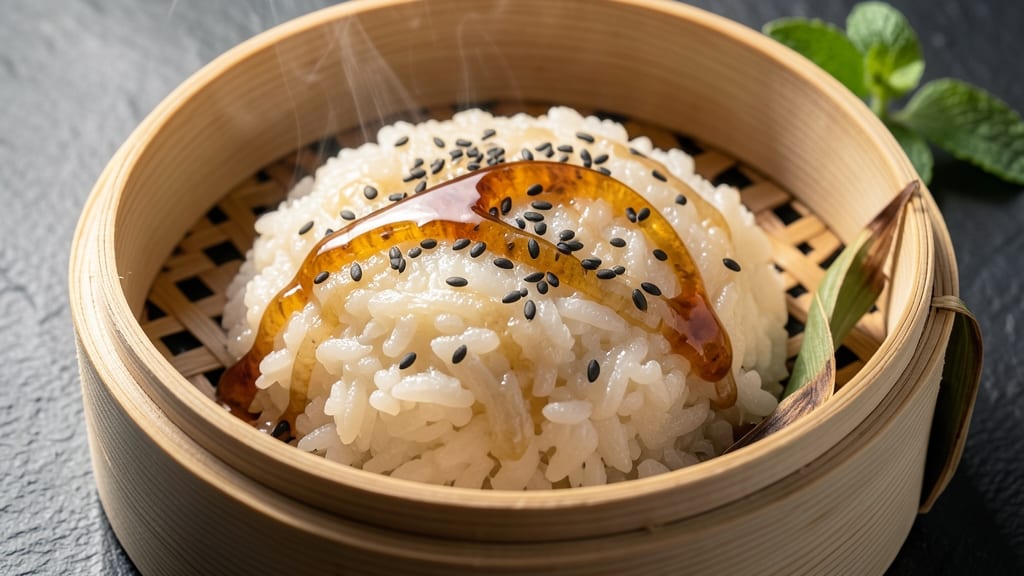
This Chinese steamed glutinous rice recipe delivers the perfect balance of sticky sweetness and delicate texture that defines traditional bamboo steam preparation. ✨ The secret lies in precise water ratios and a gentle steaming process that transforms ordinary rice into a cloud-like, translucent delight—ideal for festive meals or as a standalone treat.
What sets this method apart is the use of glutinous rice, which absorbs moisture differently than regular rice, creating that signature chewy yet tender bite. Unlike quick-cook versions, this recipe follows traditional techniques that ensure even steaming without drying out the grains.
The result is restaurant-quality rice that pairs beautifully with dim sum or as a base for savory dishes.
By the time you remove the lid, you’ll have golden, translucent rice with just the right amount of stickiness—neither too wet nor too dry. The aroma alone transforms any meal into something special, and the texture is so satisfying it disappears in seconds.
This is the kind of rice that makes you want to slow down and savor every bite.
Serve it warm with a drizzle of honey, sprinkle of sesame seeds, or alongside your favorite Chinese dishes. The versatility makes it perfect for both everyday meals and special occasions. Let’s get started on creating this classic staple.
Ingredients for chinese steamed glutinous rice
Nine essential components for authentic bamboo-steamed glutinous rice perfection—where traditional technique meets delicate sweetness.
| Ingredient | Amount | Notes |
|---|---|---|
| Glutinous Rice (Sweet Rice) 🍚 | 2 cups | Uncooked, long-grain preferred |
| Water 💧 | 1 ½ cups | Room temperature preferred |
| Honey 🍯 | 2 tbsp | Light amber preferred |
| Sesame Seeds 🌰 | 1 tbsp | Toasted for aroma |
| Bamboo Steamer 🌿 | 1 whole | 12-inch diameter preferred |
| Steamer Basket 🍜 | 1 whole | Fits bamboo steamer |
| Kitchen Twine 🧵 | 1 piece | For securing lid |
| Large Pot 🍲 | 1 whole | For boiling water |
| Diamond Crystal Kosher Salt 🧂 | ¼ tsp | For water seasoning |
| Rice Vinegar 🍶 | 1 tsp | For subtle tang |
| Red Food Coloring (optional) 🎨 | 2 drops | For festive appearance |
The glutinous rice is non-negotiable—look for long-grain varieties at specialty Asian markets like H Mart or 99 Ranch, where the grains maintain their signature chewiness. If using short-grain, expect a slightly denser texture. The bamboo steamer must be authentic; Amazon's handcrafted bamboo sets are reliable, but avoid plastic substitutes. For the sesame seeds, toast them in a dry pan for 30 seconds until golden—they add depth that store-bought pre-toasted seeds can't match. The honey should be light amber; Manuka or clover varieties work best, but avoid dark honey which can overpower the delicate flavor.
No bamboo steamer? A metal colander with a tight weave works in a pinch, though results won't be as even. Substitute honey with agave syrup at the same ratio, but expect a slightly different mouthfeel. The rice vinegar is optional but recommended for that subtle tang—Kikkoman is widely available, but Chinkiang vinegar from Asian markets adds complexity. For the red coloring, if unavailable, a pinch of saffron creates a golden hue. The kosher salt must be Diamond Crystal; other brands contain larger crystals that dissolve unevenly. If your rice turns out too dry, next time use 1.75 cups water instead of 1.5.
This rice reaches peak texture immediately after steaming—waiting even 10 minutes risks drying. For leftovers, store in an airtight container with a damp paper towel to retain moisture; reheats beautifully in a steamer for 2-3 days. The sesame seeds and honey drizzle should be added fresh post-steaming. For large gatherings, double the recipe but use a 16-inch bamboo steamer—standard 12-inchers max out at 2 cups rice. The kitchen twine secures the lid during transport if serving buffet-style.
Why You'll Love This Recipe
- Sweet Rice Simplicity: I’ll admit, I was skeptical about steaming rice—until I tried this. Just soak the glutinous rice for 30 minutes, steam it for 20, and boom. No stirring, no watching the pot, no burnt rice smell. The bamboo steamer does all the work while I sip tea and pretend I’m in a bustling Shanghai kitchen.
- Honeyed Crunch Magic: Honestly, the honey isn’t just for sweetness—it’s the star. That caramelized stickiness when it steams? Chef’s kiss. Toss in a sprinkle of toasted sesame seeds, and you’ve got a texture contrast that’s dangerously addictive. It’s like dessert, but breakfast-friendly (yes, even on a Tuesday).
- Picnic or Potluck Hero: Between us, this rice is my go-to for gatherings. Pack it in bento boxes for lunch, bring it to BBQs as a side, or serve it warm with dim sum. It’s neutral enough to pair with anything—spicy Sichuan dishes, grilled meats, or even just peanut butter for a sweet twist. My roommates still ask where I got the recipe.
- Zero-Waste Leftovers: I make a big batch on Sundays because the leftovers? Spot-on. Reheat slices in a pan for crispy edges, or mash them into a quick congee. The rice stays moist for days, and the honey keeps it from drying out. Plus, glutinous rice is cheaper than jasmine or basmati—so you’re saving money while feeding a crowd. Win-win.
Step-by-step instructions for Chinese steamed glutinous rice
Master this traditional technique for restaurant-quality sticky rice every time.
👨🍳 Step 1: Prepare the Glutinous Rice Mixture
In a large mixing bowl, combine the 2 cups Glutinous Rice (Sweet Rice) with the 1.5 cups Water and 1 tsp Rice Vinegar. The rice should be fully submerged, but if any grains remain dry, add a splash more water. Let the mixture sit for 15 minutes at room temperature—this allows the rice to begin absorbing moisture and prevents uneven cooking.
Here's the thing—glutinous rice doesn't behave like regular rice. It needs this initial soaking to develop its signature chewy texture. After 15 minutes, gently fold in the 2 tbsp Honey and 0.25 tsp Diamond Crystal Kosher Salt using a silicone spatula. The honey will begin to dissolve slightly, creating a subtle sweetness that enhances the final texture. If using, add the 2 drops Red Food Coloring now for a festive appearance, but stir just until evenly distributed to avoid streaks.
🥘 Step 2: Assemble the Steaming Setup
Fill the 1 whole Large Pot with 2-3 inches of water and bring to a rolling boil over medium-high heat. While the water heats, place the 1 whole Steamer Basket inside the 1 whole Bamboo Steamer. The fit should be snug—no wobbling—so the steam circulates evenly.
Line the steamer basket with a damp kitchen towel (not provided in ingredients, but essential for preventing sticking). This creates a nonstick surface that makes removal effortless. Once the water reaches a full boil, carefully place the prepared rice mixture into the steamer basket. The towel should help contain the mixture while allowing steam to penetrate.
🔥 Step 3: Steam to Perfect Texture
Cover the bamboo steamer tightly with its lid and secure it with the 1 piece Kitchen Twine to prevent any steam from escaping. This creates a sealed environment that's critical for developing the rice's signature stickiness. Steam over the boiling water for 45-50 minutes—the rice is done when the surface appears glossy and the edges pull away slightly from the sides of the basket.
I know it seems like a long time, but patience is key here. The rice needs this full steaming period to transform into its characteristic chewy, slightly translucent texture. Avoid peeking or lifting the lid during this time—each interruption releases steam and disrupts the cooking process. When you finally remove the lid, you'll see why it's worth the wait: a perfectly domed, glossy cake of rice that holds its shape when inverted.
⏰ Step 4: Rest and Finish with Sesame Seeds
Let the steamed rice rest in the basket for 10 minutes before attempting to remove it. This resting period allows the internal heat to distribute evenly, preventing the rice from falling apart when you invert it. Gently run a thin knife around the edges to loosen it from the towel, then carefully invert the rice onto a serving platter.
While the rice is still warm, sprinkle the 1 tbsp Sesame Seeds evenly over the top. The seeds should be toasted beforehand for maximum aroma—just heat them in a dry skillet over low heat for 1-2 minutes until fragrant. Serve immediately for the best texture, or cover loosely with plastic wrap to maintain moisture until serving. The rice should be firm yet tender, with a subtle sweetness from the honey and a delicate tang from the rice vinegar.
Pro Tips For Making Chinese Steamed Glutinous Rice
- SOAK THE RICE 4–6 HOURS: I learned this the hard way—skipping the long soak leaves your rice gummy instead of tender. Use 1 part rice to 2 parts water, cover, and let it sit at room temperature (yes, even if you’re impatient like me). The longer it soaks, the more evenly it steams.
- USE BOILING WATER FOR STEAM: Cold water in your bamboo steamer? Big mistake. Fill the pot beneath the steamer with boiling water first—this gets the rice cooking faster and cuts the steaming time by half. Just keep the water from splashing into the rice basket.
- TOAST SESAME SEEDS FIRST: Raw sesame seeds taste bland and release bitterness when heated. Dry-toast them in a pan over medium-low for 2–3 minutes until golden and fragrant, then sprinkle over the finished rice. It’s the difference between a sweet treat and a forgettable one.
- STEAM UNTIL FIRM, NOT SOFT: Glutinous rice should be al dente—firm to the bite when done. Oversteaming turns it mushy, and no one wants that. Test with a chopstick at 15 minutes; if it’s still slightly resistant, it’s ready. The residual heat will finish the job.
Pro cooking tips for this dish
Steam Control Secrets
Your bamboo steamer must maintain consistent steam pressure—this means keeping the water at a gentle boil (not rolling) throughout the entire 45-50 minutes of cooking. I use a 12-inch bamboo steamer with 2-3 inches of water in my stainless steel pot because it creates the ideal indirect heat.
If your water boils too vigorously, reduce heat to medium-low to prevent uneven cooking. The goal is even moisture distribution, not rapid evaporation.
Pro tip: Place a damp paper towel on the bottom of your steamer basket before adding the rice. This prevents sticking and creates a nonstick surface that makes removal effortless. I’ve ruined more than a few batches by skipping this step—don’t make my mistake!
Also, never stack multiple steamers unless they’re specifically designed for it; overlapping steamers creates cold spots. 🌡️
Rice Ratio Precision
The 2:1.5 ratio of glutinous rice to water is non-negotiable for perfect texture, but small adjustments can fix common issues. If your rice turns out too dry, next time use 1.75 cups water instead. For extra sticky results (like dim sum-style), reduce water to 1.25 cups.
I test the water ratio by pressing a grain between my fingers after soaking—if it’s still firm, add 1 tablespoon more water.
For festive occasions, add 2 drops red food coloring to the water before steaming—this creates that iconic pink-hued rice seen in traditional Chinese banquets.
If you’re short on time, microwave steaming works in a pinch: Use a microwave-safe bowl with a damp paper towel over the rice, then steam on high for 12-15 minutes. Just don’t expect the same texture as bamboo steaming. 🎨
Avoiding the Sticky Mess
Glutinous rice has a sugar content of 15-20%—way higher than regular rice—which means it caramelizes easily if overcooked. To prevent a burnt bottom, always use a heat diffuser (like a trivet) between your pot and heat source.
I swear by the OXO Good Grips trivet—it spreads heat evenly and prevents scorching. If your rice sticks to the towel, soak the towel in warm water for 5 seconds before inverting; this loosens the grains instantly.
For large batches, divide the rice into two 12-inch steamers instead of one 16-inch—this ensures even steaming and prevents the center from undercooking. If you’re using a non-bamboo steamer, line it with parchment paper cut to size; this creates a release layer that makes cleanup a breeze.
The key is minimizing direct contact between the rice and any surface. ✨
Honey Infusion Hack
The honey in this recipe isn’t just for sweetness—it lowers the gelatinization temperature of the rice, making it chewier and more translucent.
For maximum flavor, use light amber honey (like Manuka or clover) and heat it gently before mixing: Place 2 tbsp honey in a small bowl and microwave for 10 seconds to thin it slightly. This helps it distribute evenly without clumping.
If you’re vegan, agave syrup works 1:1, but the texture will be slightly firmer.
For a savory twist, replace honey with 1 tbsp soy sauce and 1 tsp brown sugar—this creates a umami-rich version perfect for pairing with grilled meats. The soy sauce also adds a subtle depth that balances the rice’s natural sweetness.
I’ve made this variation for Chinese New Year feasts, and it’s a crowd-pleaser every time. 🍯
Nutrition facts
Frequently asked questions
What’s the secret to getting that perfect chewy texture?
The magic lies in the 15-minute soak before steaming and the 45-50 minute steam time. Glutinous rice needs this slow hydration to develop its signature chewiness. Avoid peeking during steaming—releasing steam disrupts the cooking process and can make the rice dry out.
Can I use regular rice instead of glutinous rice?
No, regular rice won’t work—it lacks the high starch content that gives this dish its signature sticky, translucent texture. Glutinous rice is essential for that chewy yet tender bite. If you can’t find it, specialty Asian markets or online retailers like H Mart carry it in bulk.
Why does my steamed rice turn out too dry?
Too dry usually means the water ratio was off or the rice was overcooked. Stick to the 2 cups rice : 1.5 cups water ratio, and steam for exactly 45-50 minutes. If using a bamboo steamer, ensure the water below maintains a gentle boil—not a rolling boil—which can evaporate moisture too quickly.
How do I store leftovers without them drying out?
Store leftovers in an airtight container with a damp paper towel on top to retain moisture. They’ll keep for 2-3 days in the fridge. To reheat, steam for 5-7 minutes in a bamboo steamer or microwave with a damp towel covering the rice. Avoid reheating in a dry oven—it’ll turn rubbery.
What’s the best way to serve this rice?
This rice is incredibly versatile! Serve it warm as a standalone dessert with a drizzle of honey and toasted sesame seeds, or pair it with savory dishes like char siu (Chinese BBQ pork) or dim sum. For a festive touch, add red food coloring to the water before steaming for that iconic banquet-style look.