
Side Dishes
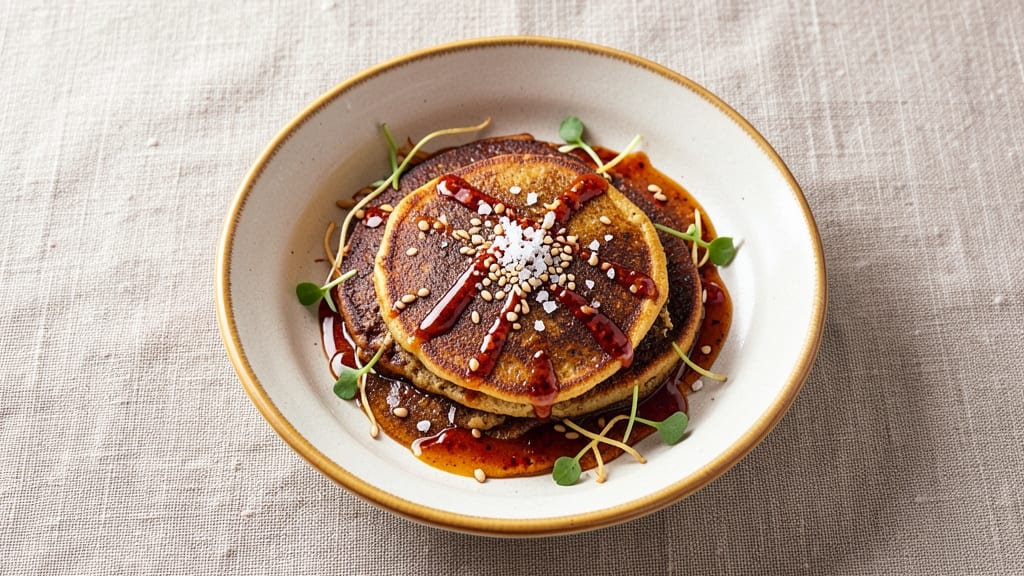
This fermented rice flour recipe transforms simple ingredients into a crunchy, aromatic topping that elevates dumplings, wraps, and pancakes to restaurant-quality levels. The fermentation process—where rice flour sits with yogurt and spices—creates a tangy, slightly sour flavor that pairs perfectly with savory fillings.
I first discovered this technique while helping Nonna prepare traditional Italian-inspired rice dishes, though the method has roots in South Asian cuisine where fermented batters are breakfast staples.
The beauty of this recipe lies in its versatility and simplicity: just five ingredients, a few hours of hands-off fermentation, and a quick cooking method.
The batter develops a light, airy texture that crisp up beautifully when fried or steamed, while the yogurt adds probiotic benefits and depth of flavor. Unlike store-bought toppings, this version stays fresh for days and can be customized with herbs, chili flakes, or sesame seeds to suit any dish.
What you'll end up with is a golden, crispy topping that adds texture and complexity to your favorite meals—think dumpling wrappers with a satisfying crunch, or wraps that hold fillings without falling apart. The aroma alone will have your kitchen smelling like a bustling street food stall.
This is the kind of recipe that makes everyday cooking feel special, whether you're serving breakfast for a crowd or adding a gourmet touch to weeknight dinners.
Perfect for meal prep, cultural cooking, or impressing guests, this fermented rice flour topping delivers professional results with minimal effort. Let's get started on creating your own batch—your taste buds will thank you.
Ingredients for fermented rice flour
Five simple ingredients transform into a golden, crispy topping that elevates dumplings and wraps like magic.
| Ingredient | Amount | Notes |
|---|---|---|
| Rice Flour 🍚 | 2 cups | Glutinous or jasmine preferred |
| Plain Yogurt 🥛 | 1 cup | Full-fat for creaminess |
| Water 💧 | ½ cup | Room temperature preferred |
| Salt 🧂 | 1 tsp | Diamond Crystal preferred |
| Sesame Seeds 🌾 | 2 tbsp | Toasted for extra flavor |
| Vegetable Oil 🫒 | ½ cup | For frying or steaming |
| Garlic Powder 🧄 | ½ tsp | Freshly ground preferred |
| Ground Black Pepper 🌶️ | ¼ tsp | Freshly ground preferred |
| Red Chili Flakes 🔥 | ½ tsp | Adjust for heat preference |
| Lemon Juice 🍋 | 1 tbsp | Freshly squeezed |
The rice flour is the star here—jasmine or glutinous rice flour gives that authentic, slightly chewy texture. Bob's Red Mill or Trader Joe's carry reliable options, but Asian markets have better variety (and way fresher). If you can't find glutinous, regular rice flour works, though the texture will be more delicate. The yogurt should be plain and full-fat—Greek yogurt works too, but skip the flavored kind. For the sesame seeds, toast them first (3 minutes in a dry pan) so they release their nutty aroma—white or black, your call. I always double-check the rice flour hasn't been sitting in my pantry forever—stale flour means flat flavor.
No sesame seeds? Toasted poppy seeds or crushed peanuts add a different but equally delicious crunch. Short on yogurt? Plain kefir or buttermilk works in a pinch, though the tang will be slightly different. The garlic powder and chili flakes are non-negotiable for flavor—Penzeys or Spicewalla have great pre-ground options if you want to splurge. For the lemon juice, fresh is best, but bottled works if you're in a hurry. Pro tip: mix your wet ingredients (yogurt, water, lemon juice) first—they'll foam up a bit, which is normal. If your batter seems too thick, add a splash more water (start with 1 tsp). Too thin? Add a tablespoon of rice flour.
This batter ferments best at room temperature—2-3 hours for a tangy kick, up to 6 hours for deeper flavor. Cover with a damp towel to keep it moist. Once cooked, store leftovers in an airtight container for 3-4 days in the fridge. For longer storage, freeze portions on parchment paper—up to 3 months. The best part? It reheats beautifully. Toss in a dry pan for 30 seconds to crisp up again. I always make extra—freeze half for next month's dumpling night. The aroma alone makes your kitchen smell like a bustling street food stall.
Why You'll Love This Recipe
- Here’s what sold me: I can make a big batch of these little bites, store them for days, and pull them out for snacks, appetizers, or even a quick protein boost. They’re great cold, warm, or tossed into salads—my kids grab them straight from the fridge after school.
- Five-Minute Mix: I swear, this comes together faster than ordering takeout. Just rice flour, yogurt, water, and a pinch of salt—no fancy techniques, no waiting for dough to rise. The sesame seeds add a tiny crunch that makes it feel intentional, even though it’s basically foolproof.
- Tangy Crunch Magic: That yogurt fermenting with the rice flour? It’s like a hidden flavor bomb—slightly sour, just sweet enough, with a texture that’s crispy on the outside and soft inside. Honestly, the first time I tried it, I thought, “Wait, this is just rice flour?” Nope—it’s a whole new flavor party.
- Meal Prep MVP: Here’s what sold me: I can make a big batch of these little bites, store them for days, and pull them out for snacks, appetizers, or even a quick protein boost. They’re great cold, warm, or tossed into salads—my kids grab them straight from the fridge after school.
Step-by-step instructions for fermented rice flour topping
Here's how to transform simple ingredients into a complex, flavor-packed fermented topping that elevates every dumpling and wrap.
Create the Fermented Rice Flour Base
In a medium mixing bowl, combine the 2 cups rice flour, 1 cup plain yogurt, 0.5 cup water, 1 tsp salt, 0.5 tsp garlic powder, and 0.25 tsp ground black pepper. Mix using a silicone spatula until you achieve a thick, dough-like consistency—it should hold together when pressed but still be workable. This blend creates the foundational texture for fermentation.
Here's the thing—don't overmix. You want to maintain some air pockets in the flour mixture, which will expand during fermentation. The yogurt's acidity will begin breaking down the flour's structure immediately, so work quickly but thoroughly. Once fully combined, cover the bowl tightly with plastic wrap and let it sit at room temperature for 12-16 hours. This initial fermentation period develops the signature tangy flavor and slightly sour aroma.
Incorporate Aromatics and Prepare for Second Fermentation
After the initial fermentation, you'll notice the mixture has expanded slightly and developed a subtle sour smell—this is exactly what we want. In a separate small bowl, toast the 2 tbsp sesame seeds in a dry skillet over medium heat for 2-3 minutes until they're golden brown and fragrant. Immediately transfer them to a plate to cool while you work.
Once cooled, add the toasted sesame seeds, 0.5 tsp red chili flakes, and 1 tbsp lemon juice to the fermented rice flour mixture. Fold everything together gently with your hands or spatula until evenly distributed. The lemon juice adds brightness that cuts through the richness, while the chili flakes introduce a subtle heat. Return the mixture to the bowl, cover again, and let it ferment for another 6-8 hours at room temperature. This second fermentation intensifies the flavors and develops that signature fermented crunch.
Develop the Final Texture Through Frying
After the second fermentation period, your mixture should have a more pronounced sour aroma and a slightly sticky texture. This is when we transform it into the crispy topping you know and love. Heat 0.5 cup vegetable oil in a non-stick skillet over medium-high heat until it shimmers but isn't smoking—around 350°F. The oil should be hot enough that when you drop a small piece of the mixture in, it sizzles immediately.
Working in small batches, carefully drop spoonfuls of the fermented rice flour mixture into the hot oil. Use a slotted spoon to press down gently on each piece for 10-15 seconds—this ensures even contact with the oil and prevents curling. Fry for 2-3 minutes per side until golden brown and crispy throughout. The pieces should puff up slightly and develop a beautiful caramelized color. Remove with a slotted spoon and drain on paper towels. Don't crowd the pan or the oil temperature will drop, leading to greasy rather than crispy results.
Cool and Prepare for Use
Allow the fried pieces to cool completely on a wire rack—this prevents them from steaming and becoming soft. As they cool, they'll develop that perfect crunchy texture that makes this topping so special. Once fully cooled, transfer them to an airtight container and store in the refrigerator for up to 5 days. The flavors will continue to develop and deepen during this time.
Here's the magic: when you're ready to use them, lightly toast the cooled pieces in a dry skillet for 30 seconds to restore maximum crispness. Sprinkle generously over dumplings, spring rolls, or even fresh salads for that authentic fermented crunch that takes your dishes to the next level. The combination of tangy, spicy, and nutty flavors makes this topping irresistibly addictive.
Pro Tips For Making Fermented Rice Flour
- Ferment 24 Hours: DESCRIPTION: I learned this the hard way—skipping the full 24 hours means your dough won’t develop that tangy depth. Use a cool, dark spot (like your pantry) and resist the urge to peek. Trust me, the wait makes all the difference in flavor.
- Sift the Flour First: DESCRIPTION: Rice flour is sneaky—it clumps like glue when mixed with yogurt. Sift it into the yogurt before adding water, and you’ll avoid lumps that turn your batter into a gummy mess. (Yes, even if you’re impatient like me.)
- Toast Sesame Seeds: DESCRIPTION: Raw sesame seeds just sit there, tasting bland. Dry-toast them in a pan for 2-3 minutes until golden—it amplifies their nutty flavor and prevents them from turning mushy when mixed in later. (Your future self will thank you.)
- Mix Water Gradually: DESCRIPTION: Dumping all the water at once? You’ll end up with a runny, unworkable dough. Add it slowly while stirring, and stop when the mixture holds together but still feels slightly sticky—like wet sand. This ensures a smooth, cohesive texture.
Troubleshooting great fermented rice flour
Fermentation Failures
If your batter smells rotten after 12 hours instead of tangy, you’ve likely over-fermented. This happens when your kitchen is too warm (above 75°F) or you used warm ingredients. Move the bowl to a cooler spot—like your fridge—and check after 2 more hours.
If it’s still off, start fresh with a shorter fermentation time (8-10 hours) next time. I’ve ruined batches this way, but a quick reset saves the day. 💡
Oil Temperature Issues
Greasy, soggy toppings? Your oil wasn’t hot enough. Test it by dropping in a tiny piece of batter—it should sizzle immediately and float. If it sinks or bubbles gently, your oil is too cool.
Increase heat to 360°F and let it stabilize for 5 minutes before frying again. A candy thermometer (like Thermoworks) is worth the $15—it’s the only way to nail this every time. 🌡️
Batter Too Thick or Thin
Thick batter that won’t spread? Add 1 tsp water at a time until it reaches a pudding-like consistency. Too thin? Stir in 1 tbsp rice flour until it thickens. The goal is a batter that holds shape when dropped but still flows slightly—like thick pancake batter.
I once made a batch so thick it wouldn’t fry properly, and I had to start over. Trust the process: adjust gradually! 🥄
Uneven Cooking
If one side is crispy and the other raw, you’re not flipping often enough. Fry for 1 minute per side, then flip every 30 seconds until golden. Crowding the pan drops the oil temperature—work in small batches (no more than 4 pieces at a time).
A non-stick skillet with sloped sides (like Made In) makes flipping easier. Patience here prevents soggy disasters. ✨
Storage Problems
Toppings losing crispiness? They’re absorbing moisture. Store in a single layer on parchment paper in an airtight container with a paper towel on top to absorb excess humidity. For longer storage, freeze in a single layer on a tray before transferring to a bag—this prevents clumping.
I once found a batch stuck together like cement after freezing improperly. Lesson learned: layer properly! ❄️
Flavor Too Mild
Need more depth? Boost the lemon juice to 2 tbsp or add ½ tsp asafoetida (hing)—a South Asian spice that adds umami without overpowering. For heat, increase chili flakes to 1 tsp or add ¼ tsp cayenne.
Pro tip: Let the batter ferment 1 extra hour if you want a stronger tang. I once doubled the garlic powder and was amazed at the flavor punch! 🌶️
Nutrition facts
Frequently asked questions
Can I use regular rice flour instead of glutinous rice flour?
Yes, but the texture will differ slightly. Glutinous rice flour creates a chewier, more elastic topping, while regular rice flour yields a lighter, crispier result. For a hybrid version, mix 1.5 cups regular rice flour with 0.5 cups glutinous rice flour to balance texture. The flavor remains delicious either way!
How do I know when the batter is properly fermented?
The batter should smell pleasantly tangy (like yogurt with a slight sourness) and have small bubbles forming on the surface. If it smells rotten or has a sharp, unpleasant odor, it's over-fermented—move it to the fridge for 2 hours to slow fermentation. Under-fermented batter will taste bland and lack crunch.
What are the best ways to use this fermented rice flour topping?
This versatile topping works beautifully on dumplings, spring rolls, tacos, or even as a crunchy garnish for soups and salads. For extra flavor, toss the cooled pieces with soy sauce or chili oil before using. It also makes a fantastic coating for fried chicken or fish, adding a fermented crunch layer.
Can I make this recipe without yogurt?
Yes! Substitute with 1 cup plain kefir or ½ cup buttermilk + ½ cup water for a similar tang. For a vegan option, use ½ cup coconut yogurt + ½ cup water, though the flavor will be milder. The key is maintaining acidity—without it, the fermentation process won't develop the signature tangy flavor.
Why did my topping turn out greasy instead of crispy?
Greasy results usually mean your oil wasn't hot enough. Test by dropping a small piece of batter—it should sizzle immediately and float. If not, increase heat to 360°F and wait 5 minutes before frying again. Also, avoid overcrowding the pan—fry in small batches of 3-4 pieces at a time for even crispiness.