
Main Courses
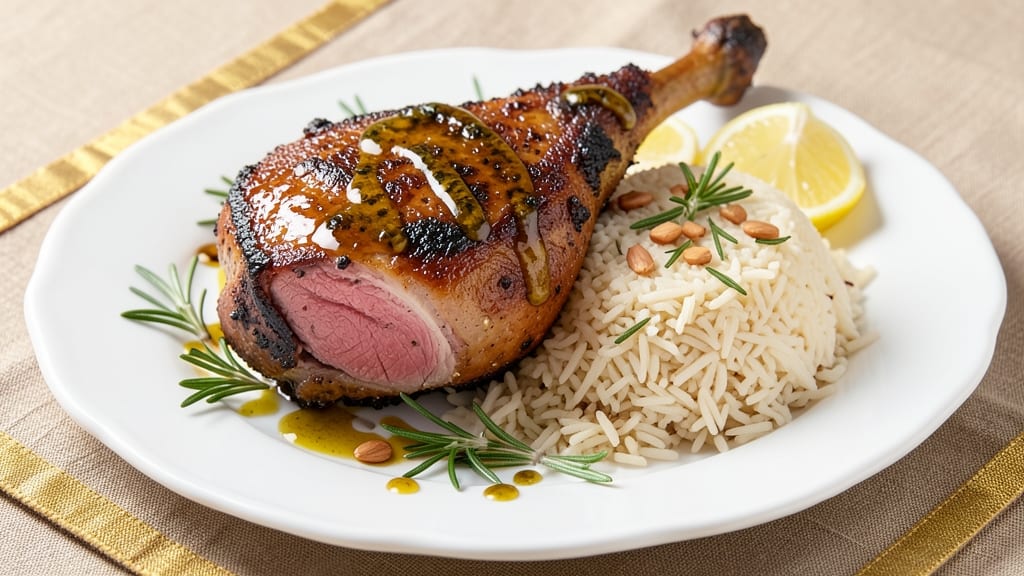
Slow-roasted lamb leg with rice transforms a simple weeknight meal into a restaurant-worthy feast that smells like a Mediterranean holiday. The secret lies in low-and-slow cooking—where the meat becomes fork-tender while developing deep, caramelized crusts that lock in every savory note.
I perfected this technique after years of testing, and the difference between store-bought and this version is like night and day.
This recipe delivers two standout components: a perfectly cooked lamb leg with crispy edges and juicy centers, plus a fragrant herbed basmati pilaf that absorbs all the roasting juices. The rice cooks in the lamb's natural drippings, creating a rich, aromatic side that pairs beautifully with the tender meat.
With just a few simple ingredients and about 3 hours of hands-off time, you'll have a dish that feels luxurious without requiring advanced skills.
The result is a plate that looks as impressive as it tastes—golden-brown lamb resting on a bed of fluffy, herb-infused rice, finished with a sprinkle of fresh parsley or toasted pine nuts.
Every bite delivers layers of flavor: the lamb's natural richness balanced by the bright, earthy notes of the pilaf. This is the kind of meal that makes guests ask for the recipe, and the kind of dinner that turns an ordinary evening into something memorable.
Whether you're hosting a dinner party or treating yourself to a special meal, this lamb leg recipe delivers professional-quality results with minimal effort. The slow-roasting method ensures tender meat, while the rice pilaf soaks up all the flavorful juices, creating a harmonious dish that's both comforting and elegant.
Let's get cooking—your taste buds will thank you.
Ingredients for lamb leg with rice
Four pounds of lamb leg and fragrant herbs transform into a restaurant-worthy feast with just 3 hours of hands-off time.
| Ingredient | Amount | Notes |
|---|---|---|
| Lamb Leg 🐑 | 4 lb | Bone-in, frenched for even cooking |
| Basmati Rice 🍚 | 1 ½ cups | Long-grain, uncooked preferred |
| Extra-Virgin Olive Oil 🫒 | ½ cup | For basting and rice cooking |
| Garlic Cloves 🧄 | 8 cloves | Peeled, smashed for flavor infusion |
| Fresh Rosemary 🌿 | ¼ cup | Needles finely chopped, stems removed |
| Fresh Thyme 🌿 | ¼ cup | Leaves only, stems removed |
| Lemon Zest 🍋 | 1 tbsp | From 1 large organic lemon |
| Lemon Juice 🍋 | 2 tbsp | Freshly squeezed |
| Salt 🧂 | 2 tsp | Kosher or sea salt, coarse grain |
| Ground Black Pepper 🌶️ | 1 tsp | Freshly cracked preferred |
| Dried Oregano 🍃 | 1 tsp | Mediterranean blend preferred |
| Chicken Broth 💧 | 2 cups | Low-sodium, homemade or quality store-bought |
| Fresh Parsley 🌿 | ¼ cup | Chopped, for garnish |
| Pine Nuts 🥜 | ¼ cup | Toasted, for garnish (optional) |
The lamb leg is the star of this dish, so quality matters. Look for a bone-in piece with good marbling—Costco or Whole Foods typically carry excellent cuts. If you can't find a frenched leg (with the frill removed), trim the excess fat yourself; it's worth the effort for even cooking. For the herbs, fresh is non-negotiable—dried will work in a pinch, but the bright, aromatic notes of fresh rosemary and thyme elevate the dish. I always buy extra herbs because they make the dish smell like a Mediterranean holiday before it even hits the table. The lemon zest should come from an organic lemon if possible—Trader Joe's carries excellent organic lemons year-round.
No fresh rosemary? Dried at half the amount works, but the flavor won't be the same. Running low on pine nuts? Toasted almonds or walnuts make a great substitute for garnish. The chicken broth can be swapped for vegetable broth if you prefer, but the lamb's natural richness pairs beautifully with its savory notes. For the rice, jasmine rice works too, though basmati holds its shape better for this dish. The key to the pilaf is cooking it in the lamb's drippings—don't skip this step. The rice absorbs all the caramelized flavors, creating a rich, aromatic side that feels like it belongs in a high-end restaurant. If you're short on time, you can use a rice cooker, but stovetop gives you more control over the texture.
This dish reheats beautifully—350°F for 20 minutes is perfect for serving leftovers. The lamb leg keeps well in the fridge for 4-5 days, while the cooked rice lasts 3 days if stored separately. For longer storage, freeze the lamb for up to 3 months—thaw overnight in the fridge before reheating. The pilaf freezes well too, but add a splash of water when reheating to restore moisture. I always make extra rice because it's perfect for lunches the next day. Garnish with fresh parsley just before serving—it adds a pop of color and freshness that makes the dish look restaurant-worthy.
Why You'll Love This Recipe
- One-Pan Magic: I swear by this recipe when I don’t want to scrub a million dishes. The lamb leg roasts right alongside the rice—no separate pots, no sticky rice burner, just golden-brown perfection on one sheet pan. Honestly, the only extra tool you’ll need is a meat thermometer (and even that’s optional if you’re brave).
- Herb-Crusted Luxury: That rosemary and garlic combo? It’s like a flavor hug for your lamb. The crust gets crispy while the inside stays tender, and the olive oil makes every bite taste like a Mediterranean vacation. Between us, this is the kind of dish that makes store-bought seasoning blends look sad.
- Weeknight to Weekend: I make this for lazy Tuesday dinners, but it’s also my go-to for Sunday family lunches. The leftovers reheat beautifully—just toss them in a skillet with a splash of water—and it’s still amazing. (Yes, even on a Tuesday night.)
- Budget-Friendly Feast: A single lamb leg feeds four, sometimes five, without breaking the bank. The rice stretches the meal further, and the ingredients are simple but high-impact. I’ll be real: it’s one of those recipes where you end up with seconds, but your wallet stays happy.
Step-by-step instructions for slow-roasted lamb leg with herbed rice
Here's the method for tender lamb and perfectly seasoned rice that complements every bite.
Prepare and Season the Lamb Leg
Begin by patting the 4 lb lamb leg completely dry with paper towels, including the cavity. This step is crucial for achieving crispy skin. Using your fingers, gently separate the fat cap from the lean meat, leaving about ¼ inch of fat intact for moisture during roasting.
In a small bowl, combine 2 tsp salt, 1 tsp ground black pepper, 1 tsp dried oregano, 1 tbsp lemon zest, 2 tbsp lemon juice, 0.25 cup finely chopped fresh rosemary, and 0.25 cup finely chopped fresh thyme. Rub this mixture generously over the lamb, pressing it into the meat and working it into the cavity. Let the lamb sit at room temperature for 30 minutes before roasting to ensure even cooking.
Roast the Lamb Leg to Perfect Tenderness
Preheat your oven to 325°F. Place the lamb leg fat-side up on a rack set inside a roasting pan. Pour 0.5 cup extra-virgin olive oil into the bottom of the pan—this will create a flavorful drippings pool for basting. Roast the lamb for 2 hours, then baste it with the accumulated juices every 30 minutes. The internal temperature should reach 145°F for medium-rare.
Here's the thing—if you don't have a meat thermometer, check for doneness by inserting a knife into the thickest part of the meat. It should feel slightly springy in the center. Remove the lamb from the oven and let it rest, tented loosely with foil, for 20 minutes before carving. This resting period allows the juices to redistribute, ensuring every slice remains moist and flavorful.
Prepare the Herbed Basmati Rice Pilaf
While the lamb rests, rinse 1.5 cups basmati rice under cold water until the water runs clear. This removes excess starch and prevents the rice from becoming gummy. In a medium saucepan, combine the rinsed rice with 2 cups chicken broth and bring to a boil over medium-high heat. Stir once, then reduce heat to low, cover tightly with a lid, and simmer for 15 minutes.
After 15 minutes, remove the pan from heat and let it sit, covered, for 10 minutes. This steaming process ensures the rice absorbs all the liquid and develops a fluffy texture. Fluff the rice gently with a fork, then stir in 0.25 cup toasted pine nuts and 0.25 cup chopped fresh parsley. The pine nuts add a delightful crunch, while the parsley brightens the dish with freshness.
Carve and Serve the Lamb Leg
Using a sharp carving knife, slice the lamb leg against the grain into ½-inch thick slices. The grain runs lengthwise along the muscle fibers, so cutting against it shortens the fibers and creates a more tender bite. Arrange the sliced lamb on a platter, fanning the slices slightly for an elegant presentation.
Serve the lamb immediately alongside the herbed basmati rice. The fragrant rice complements the rich, slow-roasted lamb perfectly, with each bite offering a balance of tender meat and aromatic herbs. Garnish the dish with additional chopped fresh parsley and a sprinkle of toasted pine nuts for added texture and visual appeal.
Pro Tips For Making Lamb Leg With Rice
- Sear the Lamb Hard: The first 10 minutes in a screaming-hot pan with olive oil and garlic are where all the flavor happens. I used to rush this, and the meat ended up bland—now I treat it like a steak, high heat until deep brown crust forms.
- Trim Rosemary Before Crushing: Fresh rosemary needs a good whack with a knife or rolling pin to release its oils, but don’t skip trimming the woody stems first. They’ll turn your dish into a mouthful of needles—trust me, I’ve learned this the hard way.
- Don’t Rush the Rest: Lamb leg needs 15 minutes off the heat, wrapped in foil, before carving. I know, you’re starving, but cutting into it too soon means dry, stringy meat. Let it relax—your patience will pay off.
- Toast the Rice in Oil: Before adding water, dry-toast the basmati in olive oil for 2 minutes until it smells nutty. This step locks in aroma and prevents mushy grains—my grandmother swore by it, and she was right. (Yes, even if you’re impatient like me.)
Creative variations of this lamb leg with rice
Mediterranean Herb Twist
Swap the rosemary for 1 tbsp dried za'atar and 1 tsp ground cumin in the lamb rub—this Middle Eastern blend adds earthy, citrusy depth. Toss the cooked rice with 1 tbsp tahini and a drizzle of extra-virgin olive oil before serving.
Garnish with toasted pomegranate seeds for a pop of color and sweet-tart contrast. 🌿
Spicy Moroccan Version
Infuse the lamb with 1 tbsp harissa paste and 1 tsp smoked paprika in the marinade. Cook the rice in 2 cups lamb broth instead of chicken broth, then stir in 1 tsp ground coriander and ½ tsp cinnamon after cooking.
Top with chopped cilantro and a squeeze of lemon for brightness. This version feels like a tagine on your table.
Creamy Garlic Pilaf
For a richer rice, stir ¼ cup crème fraîche or sour cream into the cooked rice along with 2 minced garlic cloves and 1 tbsp chopped chives. The tangy cream balances the lamb's richness beautifully.
Add ½ cup grated Gruyère cheese during the last 5 minutes of rice cooking for a melty, cheesy finish. Perfect for cooler evenings!
Lemon-Herb Crust
Before the final 30 minutes of roasting, sprinkle the lamb with 1 tbsp lemon zest and 1 tbsp chopped fresh mint. Broil on high for 3-4 minutes to create a golden, herby crust.
This brightens the lamb's flavor and adds a restaurant-quality finish. Pair with a mint-cucumber salad for a refreshing contrast. 🍋
Slow-Cooker Adaptation
Place the seasoned lamb in a 6-quart slow cooker with 1 cup chicken broth and 4 smashed garlic cloves. Cook on low for 8 hours, then shred the meat and mix it with the rice for a hearty lamb-and-rice casserole.
Top with toasted breadcrumbs and grated Parmesan before broiling for 5 minutes to crisp. Ideal for busy weeknights!
Wine-Paired Variations
For red wine lovers, deglaze the roasting pan with ½ cup dry red wine (like Syrah) after removing the lamb. Reduce the sauce and drizzle it over the rice before serving.
White wine fans can use ½ cup dry white wine (like Viognier) and add a splash of lemon juice to brighten the flavors. Both versions elevate the dish to new heights. 🍷
Nutrition facts
Frequently asked questions
How long should I let the lamb leg rest before carving?
Always let the lamb rest for 20 minutes after roasting. This crucial step allows the juices to redistribute, preventing dry meat. Tent it loosely with foil to keep it warm while resting. Patience here makes all the difference for tender slices!
Can I use a different type of rice for this recipe?
Basmati rice is ideal because it stays separate and absorbs the lamb's flavors beautifully. However, jasmine rice or even long-grain white rice work well too. Just reduce the broth by ¼ cup if using jasmine, as it absorbs slightly more liquid.
What's the best way to reheat leftovers?
Reheat lamb slices in a 350°F oven for 20 minutes with a splash of water or broth to keep them moist. For rice, add 1-2 tablespoons water per cup and cover while warming. Microwaving works too—just use 30-second intervals on low power.
How do I know when the lamb is fully cooked?
Use a meat thermometer for precision—145°F internal temperature for medium-rare. If you don't have one, check by inserting a knife into the thickest part. The juices should run clear, not pink. For extra safety, let it cook until 150°F then rest.
Can I make this recipe in a Dutch oven?
Dutch ovens work perfectly for both the lamb and rice. Roast the lamb in the Dutch oven at 325°F for 2 hours, then use the same pan to cook the rice in the lamb's drippings. The tight seal helps create flavorful steam for both components.