
Desserts
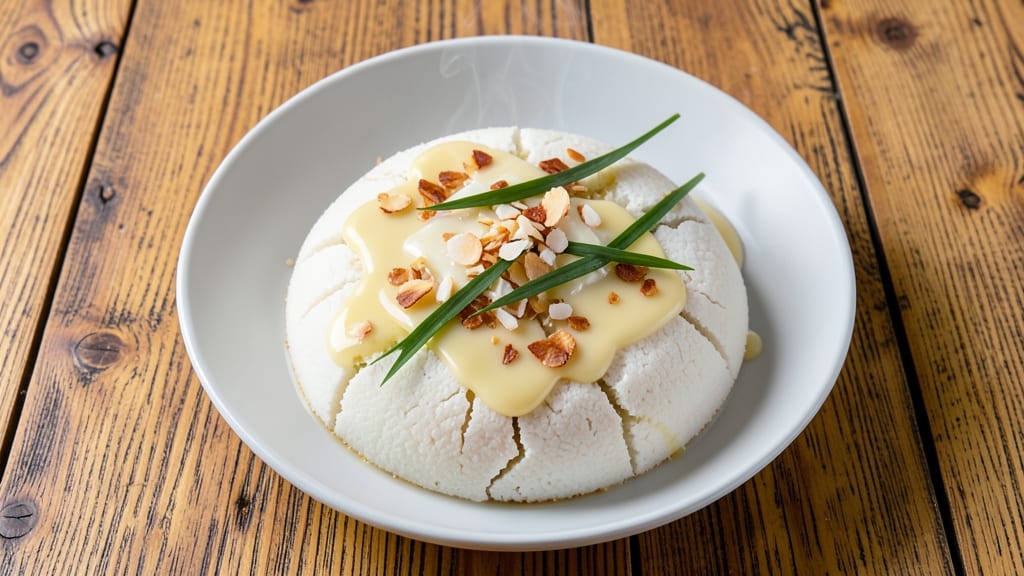
This Malaysian steamed rice cake recipe delivers layers of coconut-kissed softness and pandan fragrance that transport you straight to a bustling street market stall. The secret lies in precise layering and gentle steaming—no heavy machinery required, just patience and attention to texture.
I first discovered this recipe during a trip to Kuala Lumpur, where the aroma of freshly steamed kuih lapis filled the air, drawing crowds with its delicate sweetness.
The process begins with a smooth batter of glutinous rice flour, coconut milk, and sugar, infused with pandan extract for that signature floral note. Each layer must be poured carefully to create even, tender slices that steam into cloud-like perfection.
The result is a cake with a melt-in-your-mouth texture—soft yet sturdy enough to slice cleanly, revealing a vibrant green hue from the pandan.
What makes this recipe truly special is its versatility—serve it as a light dessert with a cup of strong Ceylon tea, or pair it with coconut jam for a tropical twist.
The natural sweetness balances beautifully with the earthy pandan, making it a crowd-pleaser for any occasion. Whether you're a baking novice or a seasoned chef, this method ensures restaurant-quality results every time.
For those who prefer a vegetarian version, simply omit the salted egg yolks—though I must confess, the salty-sweet contrast adds an unforgettable depth. Once you master this technique, you'll find yourself reaching for the ingredients again and again. Let’s get started on creating your own stack of fragrant, golden layers.
Ingredients for malaysian steamed rice cake
Twelve ingredients for a dessert that tastes like a Malaysian street market dream.
| Ingredient | Amount | Notes |
|---|---|---|
| Glutinous Rice Flour 🍚 | 3 cups | Fine grind preferred for smooth batter |
| Coconut Milk 🥥 | 2 cups | Full-fat for rich texture |
| Granulated Sugar 🍚 | 1 ½ cups | White or light brown |
| Pandan Extract 🌿 | 1 tbsp | Pure, not paste |
| Unsalted Butter 🧈 | ½ cup | Melted, room temperature |
| Vegetable Oil 🫒 | ¼ cup | For greasing steamer |
| Water 💧 | ½ cup | Room temperature |
| Vanilla Extract 🌸 | 1 tsp | Pure vanilla preferred |
| Salt 🧂 | ¼ tsp | Fine sea salt |
| Coconut Jam 🍯 | ½ cup | For serving, optional |
| Ceylon Tea ☕ | 12 oz | Strong brewed, for serving |
Glutinous rice flour is non-negotiable here—Bob’s Red Mill or Thai Kitchen brands are my go-tos, but any high-quality glutinous rice flour will work. The full-fat coconut milk makes all the difference (none of that light stuff), and you’ll find it in the international aisle at Whole Foods or Asian markets. Pandan extract is the soul of this recipe—look for pure extract, not paste, at specialty stores or online. If you can’t find it, blend fresh pandan leaves with water for a homemade version. The sugar should be fine white or light brown—no dark molasses here, or you’ll overpower the delicate flavors. Butter matters too: unsalted, room temperature for the smoothest batter.
No pandan extract? Blend 1 cup fresh pandan leaves with 1 cup water—strain and use the liquid. Running short on coconut milk? Substitute with equal parts coconut cream and water, but the texture won’t be as tender. The vanilla extract can be swapped for vanilla bean paste if you’re feeling fancy. For a nutty twist, add 1 tbsp toasted coconut flakes to the batter. The Ceylon tea is optional but worth it—Earl Grey works in a pinch, but nothing beats the floral notes of a good Ceylon. If you’re serving this to a crowd, double the coconut jam—it’s the perfect finishing touch.
This batter keeps for 2 days in the fridge, covered tightly. The steamed cake is best served freshly sliced, but any leftovers reheat beautifully in the microwave for 10 seconds. For a restaurant-style presentation, stack the layers on a platter and drizzle with extra coconut jam. Store unused batter in an airtight container for up to 5 days, or freeze for 3 months. The tea pairs best when brewed strong and hot—let it cool slightly before serving over the cake.
Why You'll Love This Recipe
- Steam-and-Go Simplicity: I swear by this recipe—just mix, steam, and forget. No fancy equipment, no waiting for dough to rise, just 20 minutes of hands-off magic while the pandan and coconut milk work their charm.
- Pandan Perfection: That first whiff of pandan extract? Pure tropical escape. The butter and sugar caramelize just enough to give it a subtle sweetness, while the glutinous rice flour keeps it tender—like a hug in cake form.
- Budget Sweetness: A single bag of glutinous rice flour and a can of coconut milk stretch to feed a crowd. I’ve made these for potlucks, kids’ birthdays, and lazy Sundays—always a crowd-pleaser without breaking the bank.
Step-by-step instructions for Malaysian steamed rice cake
Here's how to craft silky, fragrant rice cakes with perfect texture every time.
Prepare the Batter with Glutinous Rice Flour
In a large mixing bowl, combine the 3 cups glutinous rice flour with the 1.5 cups granulated sugar, 1 tbsp pandan extract, 1 tsp vanilla extract, and 0.25 tsp salt. Mix thoroughly to eliminate any lumps—this ensures a smooth, velvety texture in your finished cake.
Gradually add the 2 cups coconut milk and 0.5 cup water while whisking continuously. The batter should be thick but pourable, resembling heavy pancake batter. If it's too stiff, add 1 tablespoon water at a time until it reaches the right consistency. Here's the thing—this batter needs to be just right; too thin and the cake will be dense, too thick and it won't steam properly.
Incorporate Melted Butter for Richness
Melt the 0.5 cup unsalted butter in a small saucepan over low heat until completely liquid but not browned. Let it cool slightly, then gradually whisk it into the batter while mixing on low speed. This step adds incredible moisture and richness that makes these cakes melt-in-your-mouth tender.
I like to do this in two additions—first half the butter, then the rest—so the heat from the melted butter doesn't cook the batter prematurely. The final batter should be smooth, glossy, and have a beautiful pale green hue from the pandan. If you see any separation, whisk vigorously to recombine the ingredients.
Steam to Perfection in a Greased Mold
Lightly grease a 12-cup steaming mold with 0.25 cup vegetable oil, making sure to coat all sides thoroughly. This prevents sticking and ensures easy removal. Divide the batter evenly among the cups, filling each about ¾ full. Tap the mold gently on the counter to release any air bubbles that may have formed.
Place the mold in a steamer basket over 2 inches of boiling water. Cover with a tight-fitting lid and steam over medium-high heat for 40-45 minutes. You'll know it's done when the edges pull away from the mold slightly and a toothpick inserted comes out clean. The cakes should be soft but firm enough to hold their shape when turned out.
Serve Warm with Traditional Pairings
Carefully remove the cakes from the mold and arrange them on a serving platter. These are best served warm, straight from the steamer. The natural sweetness of the pandan and coconut milk creates a delicate balance that pairs beautifully with the 0.5 cup coconut jam served on the side.
For an authentic Malaysian experience, serve with 12 oz strong brewed Ceylon tea. The floral notes of the tea complement the fragrant pandan perfectly. Each bite should offer a harmonious blend of coconut creaminess, subtle vanilla warmth, and that distinctive pandan aroma that makes these cakes so special.
Pro Tips For Making Malaysian Steamed Rice Cake
- Whisk the Flour First: Mix the glutinous rice flour with coconut milk before adding sugar or pandan—this prevents clumps that turn into dry spots in your cake. I learned this the hard way when my first batch had weird, chewy pockets where the batter didn’t blend smoothly.
- Use Cold Butter: Chill that unsalted butter before cutting it into the batter—it melts too fast at room temp and makes the cake greasy instead of tender. Cut it into small cubes and fold them in last, like you’re making shortbread, not soup.
- Steam Over Water, Not Direct Heat: Place your steamer directly on the heat source (no rack needed) and keep the water boiling vigorously—this ensures even cooking and prevents the bottom from sticking. If the water simmers weakly, your cake will turn out gummy in the middle.
- Skip the Extra Pandan: Start with half the pandan extract called for, then adjust to taste—too much smells like a perfume counter, not dessert. Taste the batter before steaming; you’ll need less than you think, especially if you’re using high-quality extract.
Pro cooking tips for this recipe
Batter Consistency
The key to perfect steamed rice cakes lies in nailing the batter consistency—it should be thick but pourable, like heavy pancake batter. I measure ingredients precisely and use a hand mixer on low speed while adding the coconut milk to avoid lumps.
If your batter feels too stiff, add 1 tablespoon water at a time until it reaches a smooth, glossy texture. Too thin? Whisk in 1 tablespoon extra glutinous rice flour to tighten it up.
Remember, the batter should coat the back of a spoon but still flow freely when poured. 🥄
Steaming Equipment
While traditional Malaysian cooks use clay pots or bamboo steamers, I recommend a modern 12-cup silicone steaming mold for easier handling. Grease it thoroughly with vegetable oil before pouring the batter—this prevents sticking and makes unmolding a breeze.
If you don’t have a steamer basket, use a large pot with a tight-fitting lid and a heatproof plate elevated with 2 inches of boiling water underneath. The steam must circulate evenly to avoid soggy bottoms.
Layering Technique
For restaurant-quality results, divide the batter evenly among all cups—use a measuring cup with a spout for precision. Fill each cup to ¾ capacity to allow room for expansion. After pouring, gently tap the mold on the counter to release trapped air bubbles.
These bubbles can create unsightly holes in your cakes. Pro tip: Use a skewer to poke any remaining bubbles before steaming for a flawless finish. ✨
Steaming Time
Steam over medium-high heat for exactly 40-45 minutes—no more, no less. The cakes are done when they pull away slightly from the mold edges and a toothpick comes out clean. Oversteaming dries them out, while understeaming leaves them gummy.
I check at 35 minutes and adjust the heat if needed. The water should simmer gently, not boil vigorously, to maintain even moisture. 🌡️
Unmolding Secrets
Let the cakes rest in the mold for 5 minutes after steaming—this helps them set slightly for easier removal. Run a thin plastic knife or offset spatula around the edges to loosen them.
If they still stick, dip the mold in hot water for 10 seconds to release them effortlessly. Never pry with a metal utensil—it can tear the delicate texture. For a professional touch, stack the cakes on a platter and dust with powdered sugar before serving. 💫
Flavor Boosts
Elevate your rice cakes with these pro tips: Swap ½ cup coconut milk for coconut cream for extra richness, or add 1 tsp toasted coconut flakes to the batter for texture. For a citrus twist, mix in 1 tsp lime zest with the pandan extract.
If your cakes taste slightly bland, brush the tops with extra pandan extract after steaming. The aroma alone makes them irresistible! 🌿
Nutrition facts
Frequently asked questions
Can I make these Malaysian rice cakes without a steaming mold?
Use a large pot with a tight lid and a heatproof plate elevated on 2 inches of boiling water. Pour the batter into greased ramekins or small cups on the plate, ensuring they don’t touch each other or the sides. Cover and steam for 40-45 minutes over medium-high heat. The key is maintaining even steam circulation—check water levels halfway through.
Why did my rice cakes turn out dense instead of soft?
Dense texture usually means the batter was too thick or understeamed. Ensure your batter is thick but pourable (like heavy pancake batter), and steam for the full 40-45 minutes. Overmixing or using low-quality glutinous rice flour can also cause density. For extra tenderness, add 1 tbsp extra coconut milk if the batter feels stiff.
How do I store leftover steamed rice cakes?
Store them in an airtight container at room temperature for up to 2 days, or refrigerate for 5 days. To reheat, microwave for 10-15 seconds until warm. For longer storage, freeze the cakes for up to 3 months. Thaw overnight in the fridge before serving—microwaving frozen cakes can make them rubbery.
Can I add salted egg yolks for a savory-sweet version?
Yes! For a traditional twist, replace ½ cup coconut milk with 4 salted egg yolks, whisked until smooth. The salty-sweet contrast is iconic in Malaysian kuih lapis. Just ensure the yolks are fully blended—lumps can create texture issues. Adjust sugar to 1 cup if using salted yolks for balance.
What’s the best way to serve these cakes?
Serve warm with coconut jam drizzled on top or alongside, and a cup of strong Ceylon tea. For a festive touch, stack the cakes on a platter and dust with powdered sugar. They’re also perfect as a light dessert after spicy dishes—they balance flavors beautifully. Pair with fresh mango slices for a tropical contrast!