
Main Courses
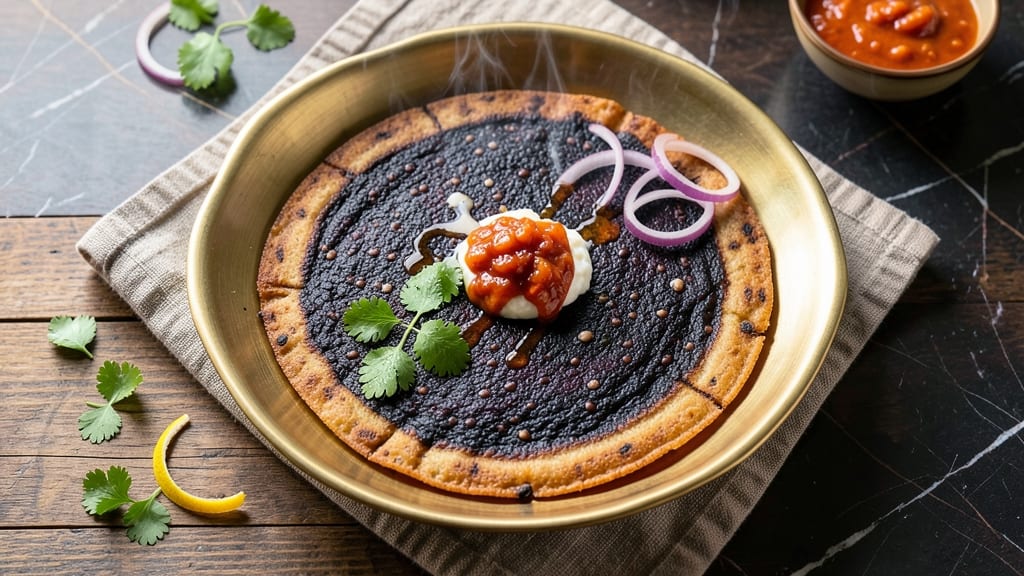
This black rice dosa recipe transforms traditional South Indian cuisine with nutty, earthy depth and crispy edges—perfect for breakfast or brunch. The secret lies in soaking black rice overnight, grinding it with urad dal, and fermenting the batter just right to achieve that signature tangy flavor and fluffy texture.
Unlike regular dosas, the black rice adds a subtle sweetness that balances beautifully with the fermented crunch.
With minimal prep time after fermentation and just 5 minutes of pan-frying, you'll have restaurant-quality dosas that are crispy on the outside and soft inside. Serve with coconut chutney or sambar for an authentic experience, or adapt the batter with instant dosa mix for a quicker version.
The key is patience—letting the batter ferment properly makes all the difference in texture and flavor.
Ingredients for black rice dosa
Transform traditional dosas with nutty black rice and fermented tanginess for crispy, restaurant-quality breakfast.
| Ingredient | Amount | Notes |
|---|---|---|
| Black Rice 🌾 | 1 cup | Uncooked, rinsed thoroughly |
| Urad Dal 🌱 | ½ cup | Split, rinsed and soaked overnight |
| Rice Flour 🌾 | ½ cup | For crispiness and texture |
| Filtered Water 💧 | 1 ½ cups | For batter consistency |
| Coconut Oil 🫒 | ½ cup | For frying dosas |
| Salt 🧂 | ½ tsp | Adjust to taste |
| Yogurt Substitute 🥛 | ¼ cup | Unsweetened coconut yogurt |
| Fresh Fenugreek Leaves 🌿 | ¼ cup | Finely chopped, optional |
| Asafoetida Powder 🌶️ | ⅛ tsp | For authentic flavor |
| Black Pepper 🌶️ | ⅛ tsp | Freshly cracked |
| Coconut Chutney 🥥 | ½ cup | Store-bought or homemade |
| Sambar Powder 🌶️ | 1 tbsp | For serving |
Black rice is the star—look for well-rinsed, uncooked grains at Indian specialty stores or bulk bins. Navratna or Venugopal brands are reliable for consistent quality. The urad dal should be split and rinsed to remove impurities before soaking. Soaking both the black rice and urad dal overnight (8-10 hours) is non-negotiable—this develops the fermented flavor and improves digestibility. If you're short on time, use pre-soaked dal from the store, but rinse it thoroughly to remove excess starch. The coconut yogurt substitute replaces yogurt for a vegan version while maintaining the tangy profile essential for fermentation.
No coconut yogurt? Plain vegan yogurt or a mix of lemon juice and water works in a pinch, though texture may vary slightly. Fresh fenugreek leaves add a unique aroma—substitute with 1 tbsp dried fenugreek seeds if unavailable, but soak them first. Asafoetida (hing) is crucial for that authentic dosa taste; ensure it's pure powder and not mixed with other spices. For the sambar powder, MTR or Everest brands are widely available and reliable. The batter consistency should resemble pancake batter—adjust with filtered water if too thick, but avoid over-diluting as this affects crispiness.
The batter ferments best at room temperature (75-80°F) for 8-12 hours, so plan ahead. Store unused batter in an airtight container in the fridge for up to 2 days, bringing it to room temperature before use. Coconut oil for frying should be heated to 350°F—test with a drop that sizzles gently. Leftover dosas crisp up beautifully when reheated in a dry pan for 2-3 minutes. Freeze extras between parchment paper for up to 1 month, reheating directly from frozen.
Why You'll Love This Recipe
- No-Soaking Needed: I’ll admit, skipping the overnight soak for black rice is a game-changer. Just blend the pre-cooked grains with urad dal and rice flour—no waiting, no fuss. The batter still gets that signature fluffiness, and honestly? My lazy Sundays just got an upgrade.
- Deep, Nutty Crunch: That first bite—where the coconut oil meets the crispy edges—is pure magic. The black rice adds a subtle earthiness that regular dosas miss, and the urad dal keeps it protein-packed. It’s the kind of flavor that makes you pause mid-chew and think, "Why don’t I make this more often?"
- Lunchbox Hero: Between us, these dosas are my go-to for meal prep. Pack them with coconut chutney or sambar, and they hold up all day—no soggy edges in sight. My kids (and my lunchbox budget) thank me every time I batch these on Sundays.
- Budget Meal, Fancy Feel: Black rice might sound fancy, but it’s actually cheaper than white rice in bulk. Pair it with urad dal (a pantry staple) and coconut oil (which lasts forever), and you’ve got a restaurant-worthy dish for pennies. I’ll take that over takeout any day.
Step-by-step instructions for black rice dosa recipe
Mastering this nutty earthy dosa requires precision in fermentation and cooking technique.
Prepare the Fermented Batter
Combine the 1 cup black rice and 0.5 cup urad dal in a large bowl, then add 1.5 cups filtered water. Let this mixture soak for 8 hours or overnight at room temperature. The black rice will absorb water and begin fermenting, developing a tangy aroma that's essential for authentic flavor.
After soaking, grind the mixture into a smooth batter using a wet grinder or food processor. The batter should have a thick, pancake-like consistency—similar to what you'd use for traditional dosas. Transfer it to a clean bowl and add 0.5 cup rice flour, 0.25 cup yogurt substitute, 0.5 tsp salt, 0.125 tsp asafoetida powder, and 0.125 tsp black pepper. Mix thoroughly to combine all ingredients.
Cover the bowl with a damp cloth and let the batter ferment for 6-8 hours in a warm place. You'll know it's ready when small bubbles form on the surface and the batter develops a slightly sour smell. This fermentation step is critical—it creates the signature tangy flavor and light texture of perfect dosas.
Rest and Adjust the Batter
Once fermentation is complete, give the batter a final stir to redistribute any settled ingredients. The texture should be slightly runny but still cohesive enough to hold its shape when poured. If the batter appears too thick, gradually add filtered water, 1 tablespoon at a time, until it reaches a smooth, pourable consistency.
Add the 0.25 cup finely chopped fresh fenugreek leaves (if using) and mix gently. The fenugreek adds a distinctive bitterness that balances the earthy black rice flavor. Let the batter rest for 30 minutes at room temperature before cooking. This resting period allows the ingredients to fully integrate and the batter to reach its optimal temperature for crispy dosas.
Heat the Griddle and Prepare for Cooking
Heat a non-stick dosa griddle or large skillet over medium-high heat. The griddle should be hot enough that a drop of water sizzles and evaporates instantly when placed on it. Lightly grease the griddle with 1 tablespoon coconut oil, spreading it evenly with a paper towel. The coconut oil will give your dosas their characteristic crispy texture and rich flavor.
Pour about ½ cup of the black rice batter onto the center of the griddle. Quickly spread it into a thin, even circle using a dosa spreader or the back of a spoon. The edges should be slightly thicker than the center to create that signature crispy border. You'll see the batter immediately start to set and form small bubbles along the edges.
Cook to Golden Perfection
Once the edges begin to lift and turn golden brown (about 1-2 minutes), carefully flip the dosa using a spatula. Press down gently on the center to ensure even cooking. The dosa is ready when both sides are crispy and golden brown with small charred spots—this should take another 1-2 minutes of cooking.
Transfer the cooked dosa to a plate and keep it warm while you prepare the remaining dosas. The key to perfect black rice dosas lies in maintaining consistent heat and timing. If the dosa browns too quickly, reduce the heat slightly. If it cooks too slowly, increase the heat and ensure your griddle is properly preheated.
Serve with Traditional Accompaniments
Serve the hot black rice dosas immediately with 0.5 cup coconut chutney and 1 tbsp sambar powder mixed with a little water to make a paste. The nutty flavor of the black rice pairs beautifully with the cooling coconut chutney, while the sambar powder adds a savory depth that complements the dosa's earthy profile.
For an enhanced experience, you can also serve with a side of spicy tomato-onion chutney or a simple cucumber raita. The contrast between the crispy dosa, cooling chutneys, and warm sambar creates a balanced meal that highlights the unique qualities of black rice. Enjoy immediately while the dosas are at their crispy best!
Pro Tips For Making Black Rice Dosa
- Soak Black Rice Overnight: I learned this the hard way—rushing the soak leaves your black rice dosa dense and chewy. Use double the water (1:2 ratio) and let it sit 12+ hours in the fridge. The longer it soaks, the creamier your batter will be, and trust me, that dark purple hue stays vibrant.
- Ferment Urad Dal Cold: Skip the warm spot on the counter—fermenting urad dal in a cool (68-72°F) kitchen prevents sourness and keeps the flavor bright. I used to worry about slow fermentation, but leaving it 8-10 hours at room temp (not warm) gives just the right tang without bitterness.
- Mix Batter Last Minute: The batter thickens fast after mixing, and black rice makes it even trickier. Soak the rice and dal separately, grind them separately (urad dal first, then rice), and only combine them right before cooking. Add a splash of water if it’s too thick—your dosa needs to be pourable but not runny.
- Use Coconut Oil Hot: Cold coconut oil won’t crisp your dosa edges like you want. Heat 1 tablespoon in a nonstick pan until it’s smoking hot—just before you pour the batter. The high heat seals the edges instantly, giving that perfect golden-brown finish. (Yes, even if you’re impatient like me.)
Make-ahead tips for this dish
Batter Prep Ahead
Start your black rice dosa prep the night before by soaking the 1 cup black rice and 0.5 cup urad dal together in 1.5 cups filtered water. This overnight soak (8-10 hours) jumpstarts fermentation and saves you morning prep time.
Store the soaked mixture in an airtight container in the fridge until ready to grind. The cold slows fermentation slightly, giving you more control over timing. 🌾
Fermentation Timeline
For optimal flavor, ferment your batter at room temperature for 6-8 hours after grinding. Place the bowl in a warm spot (like near your oven with the light on) to speed up fermentation.
If you need to adjust timing, refrigerate the batter after grinding for 4-6 hours, then transfer to a warm spot to complete fermentation. The key is watching for bubbles and a slightly sour aroma—this means it's ready! ⏰
Batter Storage Tips
Store unused batter in an airtight container in the fridge for up to 2 days. When ready to cook, let it sit at room temperature for 30 minutes to reach ideal consistency.
I like to portion the batter into ½ cup servings in small containers before storing—this makes morning cooking a breeze. Just pop it out and cook immediately for the freshest results. ❄️
Make-Ahead Dosas
Cook your dosas fresh for the best texture, but you can prep ahead by making uncooked dosa shells. Spread the batter onto parchment paper, freeze for 1 hour, then stack with parchment between each.
Store in a freezer bag for up to 1 month. When ready to eat, cook from frozen in a lightly oiled pan for 2-3 minutes per side—no thawing needed! 🍳
Chutney Prep
Make your coconut chutney and sambar powder paste the night before to save time. Store them separately in small containers. For coconut chutney, blend 1 cup roasted coconut, ½ cup water, 1 tsp salt, and 1 tsp cumin seeds until smooth.
The sambar paste can be made by mixing 1 tbsp sambar powder with 2 tbsp water—it keeps well in the fridge for 3 days. 🥥
Morning Cooking Routine
Set up your cooking station the night before: place your dosa griddle on the stove, gather your coconut oil, and prep your serving plates. Keep the batter at room temperature while cooking to maintain consistency.
With everything ready, you'll have crispy dosas on the table in 10 minutes—perfect for a quick breakfast. Trust me, this routine makes all the difference! ⏳
Nutrition facts
Frequently asked questions
Why does black rice dosa taste different from regular dosa?
Black rice adds a naturally sweet, nutty flavor that contrasts with the tangy fermentation. The anthocyanins in black rice give it a deeper earthy taste, while its higher protein content creates a denser, slightly chewier texture compared to regular rice dosas. The result is a more complex flavor profile that's both satisfying and unique!
Can I make black rice dosa without fermentation?
While possible, fermentation is key for authentic flavor and texture. Without it, your dosas will lack the signature tangy taste and crispy-yet-soft structure. For a quick version, use 1 tbsp yogurt or lemon juice in the batter to mimic some fermentation, but expect slightly different results. True fermentation takes 6-8 hours for best results.
How do I fix batter that's too thick or too thin?
For thick batter, add filtered water 1 tbsp at a time until it reaches pancake batter consistency. If too thin, mix in 1 tbsp rice flour to absorb excess liquid. The ideal batter should be smooth, slightly runny but still hold its shape when poured. Test by dropping a spoonful—it should spread slightly but not pool.
What's the best oil for cooking black rice dosas?
Coconut oil is traditional and gives the best flavor, but you can use ghee or vegetable oil in a pinch. Avoid olive oil—it has a low smoke point and can make dosas greasy. Heat the oil to 350°F and test by dropping a tiny amount that sizzles immediately. Too little oil = dry dosas; too much = soggy centers.
Can I use store-bought dosa mix for black rice flavor?
Yes! Replace ½ cup of the rice flour in instant dosa mix with ½ cup black rice flour (or grind dried black rice into flour). Add 1 tsp asafoetida and ½ tsp black pepper for authentic flavor. Use ½ cup water and ferment for 4-6 hours—the mix will need extra fermentation time to develop flavor.