
Main Courses
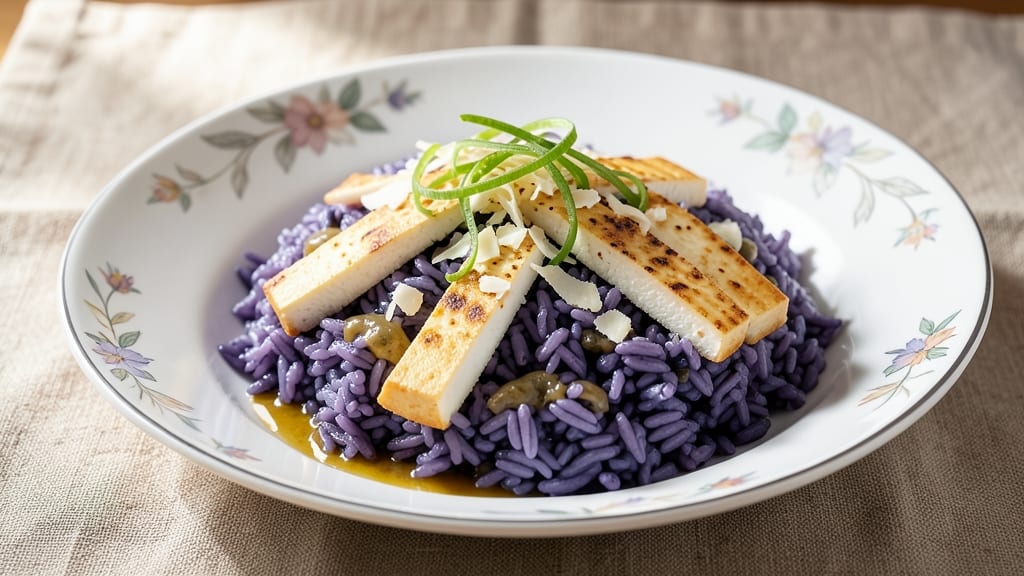
This blue pea flower rice recipe transforms ordinary grains into a stunning visual masterpiece with earthy coconut undertones. The vibrant purple hue isn't just for show—it signals a dish packed with plant-based protein and a satisfying chew that elevates every bite.
Traditional techniques like layering and steaming preserve both texture and color, while modern shortcuts make it accessible for home cooks.
The secret lies in perfectly balancing the rice's natural nuttiness with coconut's creamy depth, creating a dish that's as nutritious as it is beautiful. Paired with pickled vegetables or a light coconut curry, this becomes a complete meal that impresses without requiring advanced skills.
Ready in just 30 minutes, it's the ideal centerpiece for plant-based gatherings or weeknight dinners craving something special.
Ingredients for blue pea flower rice
Earthy coconut meets vibrant purple grains—this plant-based masterpiece balances nutrition and visual drama effortlessly.
| Ingredient | Amount | Notes |
|---|---|---|
| Blue Pea Flower Rice 🌾 | 1 cup | Dried, uncooked grains |
| Full-Fat Coconut Milk 🥥 | 1 can | 13.5 oz can, full-fat preferred |
| Extra-Firm Tofu 🍱 | 8 oz | Press for 20 minutes |
| Fresh Coconut Flakes 🥥 | ¼ cup | Toasted for extra flavor |
| Garlic Cloves 🧄 | 3 cloves | Minced for aromatic base |
| Fresh Ginger 🌿 | 1 tbsp | Grated, fresh preferred |
| Lime Juice 🍋 | 2 tbsp | Freshly squeezed |
| Red Curry Paste 🌶️ | 1 tbsp | For depth of flavor |
| Coconut Aminos 🍶 | 1 tbsp | Soy-free alternative |
| Sea Salt 🧂 | ½ tsp | Diamond Crystal preferred |
| Black Peppercorns 🌶️ | ¼ tsp | Freshly ground |
| Fresh Cilantro 🌿 | ¼ cup | Chopped for garnish |
| Olive Oil 🫒 | 1 tbsp | Extra-virgin for richness |
| Water 💧 | 2 ½ cups | Filtered preferred |
The blue pea flower rice is the star—look for organic bulk bins at specialty stores like Whole Foods or Sprouts for the deepest purple hue. Bob's Red Mill carries it online if local options are limited. Freshness matters: these grains should smell nutty, not musty. The extra-firm tofu must be pressed thoroughly to avoid sogginess; Costco sells pre-pressed blocks that save time. For coconut milk, Aroy-D or Thai Kitchen brands deliver the richest full-fat texture—avoid light versions, which lack the necessary creaminess.
No blue pea flower rice? Quinoa or black rice work in a pinch, though texture will differ. Substitute cashew cream (blend soaked cashews with water) for coconut milk if avoiding dairy entirely. Red curry paste can be swapped for turmeric plus a dash of smoked paprika for color, but the depth won't match. Fresh ginger and garlic are non-negotiable—dried versions lack the bright, zesty punch. Coconut aminos can be replaced with tamari if needed, though flavor will shift slightly. The lime juice should be freshly squeezed; bottled versions contain additives that dull the brightness.
Store uncooked rice in an airtight container away from light for up to 12 months. Prepped tofu keeps 4 days refrigerated or 3 months frozen—portion before freezing for easy use. The cooked rice stays vibrant for 3 days in the fridge, though texture softens over time. For longer storage, freeze in single-serving portions with a spritz of lime juice to preserve color. Reheat gently with a splash of water to restore chewiness.
Why You'll Love This Recipe
- One-Pot Magic: I swear by this recipe when I’m too tired to scrub a million bowls—just toss the rice, coconut milk, and tofu into one pot, and let it simmer. The blue pea flowers soak up all the creamy, garlicky goodness without needing extra effort.
- Coconut-Garlic Bliss: That first bite? Rich, nutty, and just a little funky from the toasted garlic—like a hug in a bowl. The full-fat coconut milk makes it velvety smooth, while the crispy tofu adds texture that keeps it interesting.
- Lunchbox Hero: Between us, this is my go-to for meal prep because it reheats like a dream and tastes just as good cold. Pack it in containers with a sprinkle of coconut flakes on top, and suddenly you’ve got a lunch that feels fancy but costs next to nothing.
- Budget-Friendly Feast: I make this for six people for under $15, and it disappears fast. The blue pea rice stretches far, the tofu is cheap, and the coconut milk adds luxury without breaking the bank—perfect for when you want to impress but can’t afford takeout.
Step-by-step instructions for blue pea flower rice
Transform vibrant blue pea flower rice into a fragrant, earthy dish with coconut and spice.
Prepare the Tofu and Aromatics
Begin by pressing the 8 oz extra-firm tofu for 20 minutes to remove excess moisture. Wrap it in a clean kitchen towel and place a heavy object on top. This ensures your tofu will absorb flavors instead of releasing water during cooking.
While the tofu presses, mince the 3 cloves garlic and grate the 1 tbsp fresh ginger using a fine grater. These aromatics form the flavor foundation for your dish. Toast the 0.25 cup fresh coconut flakes in a dry skillet over medium heat for 2-3 minutes until fragrant and lightly golden. Set aside for garnish later.
Cook the Tofu and Build the Base
Heat 1 tbsp olive oil in a medium saucepan over medium heat. Add the pressed tofu and cook for 5-6 minutes until golden brown on all sides. Remove the tofu and set aside. In the same pan, add the minced garlic and ginger, cooking for 30 seconds until fragrant.
Stir in the 1 tbsp red curry paste and cook for 1 minute until the raw aroma disappears. This step develops the curry's complex flavors. Add the 1 cup blue pea flower rice and stir to coat in the paste, ensuring each grain absorbs the aromatic spices.
Simmer the Rice in Coconut Milk
Pour in the 2.5 cups water and 1 can full-fat coconut milk, stirring gently to combine. Bring to a boil, then reduce heat to low, cover with a tight-fitting lid, and simmer for 20 minutes. Avoid lifting the lid during this time to maintain consistent steam and prevent drying.
After 20 minutes, check the rice for doneness. The grains should be tender but still slightly firm to the bite. If needed, add 2-3 tablespoons water to prevent sticking. The rice should absorb all liquid by the end of cooking, resulting in fluffy, vibrant purple grains.
Finish with Seasonings and Garnish
Remove the pan from heat and stir in the 1 tbsp coconut aminos, 0.5 tsp sea salt, and 0.25 tsp freshly ground black peppercorns. The coconut aminos add a savory depth, while the salt and pepper balance the dish. Let the rice sit covered for 5 minutes to steam and absorb the flavors.
Fluff the rice gently with a fork, then fold in the cooked tofu. Garnish with the toasted coconut flakes and 0.25 cup chopped fresh cilantro. Finish with a squeeze of 2 tbsp lime juice just before serving to brighten the dish and cut through the richness of the coconut.
Pro Tips For Making Blue Pea Flower Rice
- SOAK THE RICE FIRST: Blue pea flower rice expands dramatically—skip soaking, and you’ll end up with a mushy, gluey mess. Toss it in warm water for 10 minutes before cooking, then drain well. Trust me, your rice will thank you with a proper chewy texture.
- PRESS THE TOFU HARD: Extra-firm tofu still holds water unless you work it. Wrap it in a towel, place a heavy pan on top, and let it sit for 15 minutes. This guarantees crispy edges when you pan-fry it later—no soggy disappointment.
- SIMMER COCONUT MILK LOW: Full-fat coconut milk curdles faster than you think when it boils. Keep the heat at a gentle simmer, not a rolling boil, while cooking the rice. I learned this the hard way after scraping curds off my rice three times.
- TOAST COCONUT FLAKES LAST: Fresh coconut flakes burn in seconds. Save them for the final 30 seconds of cooking, stirring constantly until they’re just golden. This adds crunch without turning them into charcoal—because nobody wants that.
Wine and beer pairings for blue pea flower rice
Coconut Milk Pairings
The creamy richness of full-fat coconut milk in this dish pairs beautifully with Thai-inspired white wines like Viognier or Gewürztraminer. These wines share tropical fruit notes that complement the coconut's natural sweetness while balancing the dish's earthy depth.
I always reach for a bottle of Louis Jadot Viognier—its floral aromas and subtle spice echo the red curry paste's warmth. 🍷
Light Beer Options
For beer lovers, a crisp pale ale or wheat beer works wonderfully. The hoppy bitterness of a Sierra Nevada Pale Ale cuts through the coconut's richness, while the citrus notes in a Blue Moon Belgian White refresh the palate.
Avoid heavy stouts or dark ales—they'll overpower the dish's delicate balance. I keep a six-pack of Allagash White on hand for these occasions.
Citrus-Infused Sparkling Water
If you prefer non-alcoholic options, sparkling limeade or ginger beer adds a refreshing contrast. I like to mix San Pellegrino Limonata with a splash of fresh lime juice for a bright, effervescent sip. The bubbles cleanse your palate between bites of the vibrant rice, enhancing the overall dining experience. 💫
Spiced Rum Cocktails
For a tropical twist, serve with a dark 'n' stormy—mix 2 oz dark rum, 4 oz ginger beer, and a squeeze of lime over crushed ice. The rum's caramel notes harmonize with the coconut, while the ginger beer's spice mirrors the dish's aromatic base.
I often make a batch for gatherings and let it sit for 10 minutes to meld flavors.
Herbal Tea Pairings
Herbal teas like hibiscus or chamomile offer a soothing complement to the dish's bold flavors. Brew hibiscus tea with a cinnamon stick for warmth, or try jasmine green tea for a lighter option.
The floral notes in jasmine tea echo the coconut's subtlety, creating a harmonious pairing. I steep my tea for 4-5 minutes to avoid bitterness.
Nutrition facts
Frequently asked questions
What makes blue pea flower rice different from regular rice?
Blue pea flower rice gets its vibrant color from the butterfly pea flower (Clitoria ternatea), which contains natural anthocyanins—same compounds that color blueberries and red cabbage. Unlike white or brown rice, it retains its purple hue when cooked and offers a nutty, earthy flavor with a satisfying chew. The grains also contain more plant-based protein and fiber than regular rice.
Can I substitute blue pea flower rice with another type?
Yes! For a similar texture, use quinoa or black rice, though the color won't be as vibrant. If you're avoiding grains entirely, cauliflower rice works for texture but lacks the protein. The dish will still taste delicious—just adjust cooking times (quinoa needs 15 minutes instead of 20). For color, add a pinch of turmeric or spirulina powder to mimic the purple hue.
Why does my blue pea flower rice turn green when cooked?
The color change happens when the rice reacts with acidic ingredients like lime juice. To prevent this, add the lime only at the very end (as the recipe suggests) and avoid overmixing. For extra stability, soak the rice in water for 30 minutes before cooking. The vibrant purple will fade slightly but won't turn green if you follow the timing precisely—no more than 20 minutes of simmering.
How can I make this recipe gluten-free?
This recipe is naturally gluten-free! Just ensure your coconut aminos are certified gluten-free (some brands may contain soy sauce). Double-check that your red curry paste doesn't contain wheat flour as a thickener. All other ingredients—blue pea flower rice, coconut milk, tofu, and spices—are inherently gluten-free. For extra safety, cook in a dedicated gluten-free kitchen if you share tools with gluten-containing foods.
What's the best way to store leftovers?
Store cooked blue pea flower rice in an airtight container in the fridge for up to 3 days. To preserve the color, sprinkle a tiny bit of lime juice on top before sealing. For longer storage, freeze portions for up to 3 months. When reheating, add a splash of water or coconut milk to restore moisture—microwave in 30-second intervals while stirring to avoid drying out the grains.