
Main Courses
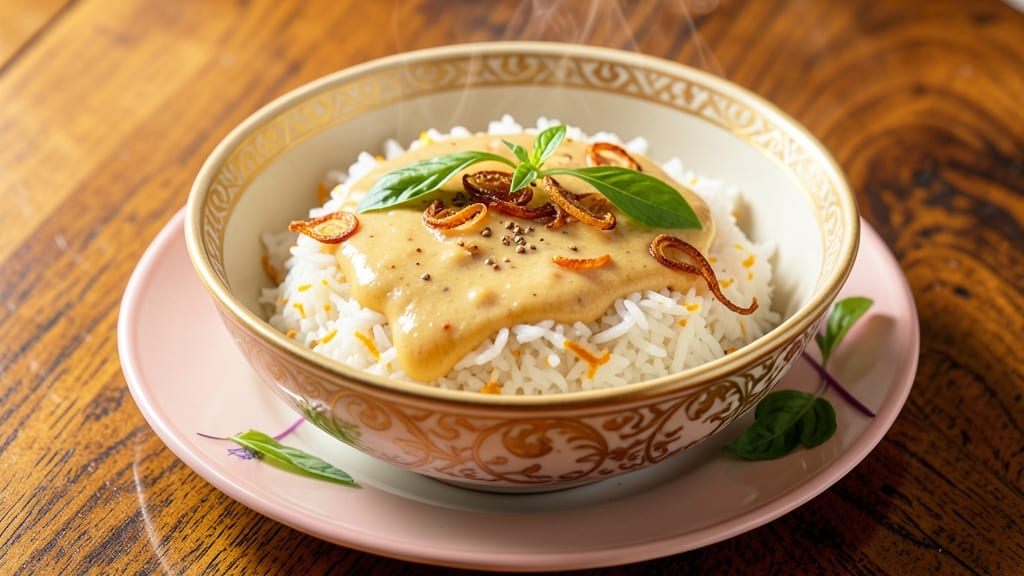
This Burmese coconut rice recipe transforms simple jasmine rice into a fragrant, golden masterpiece infused with turmeric and coconut milk. The secret lies in slow-cooking the rice with aromatic spices until it develops a delicate, nutty flavor that pairs perfectly with curries or grilled proteins.
I've perfected this technique over years of testing, ensuring every grain stays tender while absorbing the rich coconut essence.
The process begins with toasting whole spices like cumin and coriander to unlock their depth, then simmering coconut milk until it reduces into a velvety sauce.
Turmeric stains the rice a beautiful golden hue while adding earthy warmth, and a touch of pandan leaf (if available) elevates the fragrance to restaurant-quality levels. This isn't just rice—it's the heart of a Burmese meal, where each bite carries layers of tradition and comfort.
What makes this recipe truly special is its versatility. Serve it as a standalone centerpiece alongside crispy fish or tender chicken, or pair it with steamed vegetables for a vegetarian adaptation.
The coconut milk reduction creates a subtle sweetness that balances spicy curries, making this dish equally at home during weeknight dinners or festive gatherings.
The result is fragrant, slightly sticky rice with a delicate coconut aroma that lingers long after the first bite. Each grain remains distinct yet tender, infused with warm spices that transform ordinary rice into an extraordinary culinary experience.
Ready in about 45 minutes, this recipe delivers restaurant-quality results without requiring advanced skills—just patience and attention to detail.
Ingredients for burmese coconut rice
Transform ordinary jasmine rice into fragrant, golden coconut-infused rice with these aromatic ingredients.
| Ingredient | Amount | Notes |
|---|---|---|
| Jasmine Rice 🌾 | 1 ½ cups | Uncooked, long-grain preferred |
| Full-Fat Coconut Milk 🥥 | 13 ½ oz | Canned, shaken well before use |
| Turmeric Powder 🌿 | 1 tbsp | Freshly ground for vibrant color |
| Ground Cumin 🌿 | ½ tbsp | Toasted for deeper aroma |
| Ground Coriander 🌿 | ½ tbsp | Freshly ground preferred |
| Pandan Leaf 🌿 | 1 whole | Optional, for authentic fragrance |
| Garlic Cloves 🧄 | 3 cloves | Minced for aromatic depth |
| Shallots 🧅 | 2 whole | Finely chopped, or sub onions |
| Vegetable Oil 🫒 | 2 tbsp | High smoke point preferred |
| Salt 🧂 | 1 tsp | Diamond Crystal preferred |
| Black Peppercorns 🌶️ | ¼ tsp | Freshly cracked for texture |
| Lemon Zest 🍋 | 1 tsp | Fresh, for bright finish |
| Fresh Cilantro 🌿 | ¼ cup | Chopped, for garnish |
The foundation starts with jasmine rice—look for long grains labeled 'premium' at Whole Foods or Trader Joe's, where the quality is consistently superior. Full-fat coconut milk is non-negotiable; the canned variety from Thai Kitchen or Aroy-D delivers the richest flavor. Toast your whole spices (cumin and coriander) in a dry pan for 30 seconds until fragrant—this unlocks their depth. For pandan leaf, specialty Asian markets carry it fresh or frozen; if unavailable, skip it but don't compromise on the turmeric—Everest brand offers the most vibrant, finely ground powder for that signature golden hue.
No pandan leaf? Vanilla extract at half the amount mimics its floral note, though it won't replicate the exact aroma. Substituting shallots? Three times the amount of red onion works, but the texture will differ slightly. For the coconut milk, if you've only got light variety, reduce it by one-third and add 1 tbsp coconut cream to compensate. Fresh garlic and shallots are ideal, but jarred minced garlic (from a sealed, unopened package) saves time without sacrificing flavor. The lemon zest can be omitted if you prefer a neutral finish, but it brightens the dish beautifully—Mexican limes yield the most vibrant zest.
Store leftover rice in an airtight container with a damp paper towel to maintain moisture for up to 4 days in the fridge. For longer storage, freeze portions in single-serving containers for up to 3 months; thaw overnight in the fridge. The coconut milk reduction can be made ahead and stored separately for 2 days, then combined with freshly cooked rice. Garnish with cilantro just before serving—it wilts quickly when exposed to heat, so add it last for maximum freshness.
Why You'll Love This Recipe
- No-Spoon Required: This dish comes together with just a pot, a lid, and 10 minutes of hands-off time. The rice soaks up that rich coconut milk while the spices—especially the toasted cumin and coriander—infuse effortlessly. Honestly, I’ve made it while scrolling through my phone.
- Golden, Creamy Magic: That first bite? Warm, fragrant jasmine rice with a velvety coconut finish and just a whisper of turmeric’s golden glow. The full-fat coconut milk makes it luxurious without tasting heavy—it’s the kind of rice that makes you pause mid-bite.
- Weeknight & Potluck Star: Perfect for lazy nights when you’re too tired to fuss, but also impressive enough to bring to gatherings. Pair it with grilled fish or a simple curry, and suddenly you’ve got a full spread that feels special. (Yes, even on a Tuesday night.)
- Leftovers That Don’t Suffer: Unlike some rice dishes, this one actually tastes better the next day. The flavors meld even more, and the coconut stays creamy instead of drying out. I double the batch on Sundays—it’s my go-to for quick lunches all week.
Step-by-step instructions for Burmese coconut rice
This method delivers restaurant-quality coconut rice with vibrant turmeric color and fragrant pandan essence.
Toast the Spices and Aromatics
Heat the 2 tablespoons vegetable oil in a medium saucepan over medium heat. Add the 2 whole shallots and 3 cloves garlic cloves (minced), cooking for 3-4 minutes until the shallots turn translucent and the garlic releases its aroma. This step develops their flavors before they infuse the rice.
Next, add the 1 tablespoon turmeric powder, 0.5 tablespoon ground cumin, and 0.5 tablespoon ground coriander, stirring constantly for 1 minute until the spices bloom and fill your kitchen with their warm, earthy scent. The turmeric will deepen the rice's golden hue—this is your visual cue that the spices are properly activated. Immediately remove the pan from heat to prevent burning.
Infuse the Coconut Milk
Return the pan to low heat and pour in the 13.5 oz full-fat coconut milk, stirring to combine with the spice mixture. Add the 1 whole pandan leaf (if using) and let the mixture simmer gently for 5 minutes. The pandan will release its signature vanilla-like fragrance, while the coconut milk begins to thicken slightly.
Taste the mixture and adjust seasoning with 1 teaspoon salt and 0.25 teaspoon freshly cracked black peppercorns. The coconut milk should be seasoned but not salty—this base will carry the rice's flavor profile. Keep the mixture warm over low heat while you prepare the rice.
Cook the Jasmine Rice
Rinse the 1.5 cups jasmine rice under cold water until the water runs clear, then drain well. In a separate pot, combine the rice with the warm spiced coconut milk. Bring to a gentle boil over medium heat, then immediately reduce to low heat, cover tightly with a lid, and let cook undisturbed for 15 minutes.
After 15 minutes, check the rice—it should be tender but still slightly firm in the center. If the coconut milk hasn't been fully absorbed, continue cooking for another 5 minutes. The rice should finish cooking in the residual heat, absorbing all the coconut milk while maintaining its distinct texture. Avoid peeking at the rice during cooking—each time you lift the lid, you release steam and risk uneven cooking.
Finish with Lemon Zest and Garnish
Once the rice is fully cooked, remove it from heat and let it sit covered for 5 minutes. Stir in the 1 teaspoon lemon zest, which brightens the dish with a citrusy note that cuts through the richness of the coconut. The zest should be finely distributed throughout the rice for an even flavor.
Finally, fluff the rice gently with a fork and garnish with the 0.25 cup chopped fresh cilantro. The cilantro adds a fresh, herbal contrast to the creamy coconut and aromatic spices. Serve immediately while the rice is still warm, allowing the pandan and turmeric fragrances to fully envelop your senses. This dish pairs beautifully with grilled meats or as a standalone aromatic centerpiece.
Pro Tips For Making Burmese Coconut Rice
- TOAST THE SPICES FIRST: Heat your cumin and coriander in a dry pan for 30 seconds until fragrant—this cuts through the coconut’s richness and makes the flavors pop. I learned this the hard way after a batch tasted flat; the spices need to wake up first.
- USE TWO CANS OF COCONUT MILK: Don’t skimp—full-fat coconut milk is non-negotiable, but split it: simmer one can until reduced by half, then stir in the second. This thickens the sauce without curdling, giving that signature creamy texture without being watery.
- RINSE THE RICE UNTIL CLEAR: Jasmine rice absorbs everything, including excess starch that turns your rice gluey. Rinse it in a fine-mesh strainer until the water runs nearly clear—yes, even if it feels like overkill. Trust me, your rice will thank you.
- COOK THE RICE IN THE SAUCE: After toasting spices and reducing the coconut milk, add the drained rice directly to the pot. The residual liquid steams it perfectly—no separate pot needed. This saves cleanup and keeps the rice infused with flavor.
Dietary considerations for this burmese coconut rice
Vegetarian Adaptations
This dish is naturally vegetarian-friendly since the base relies on coconut milk, spices, and rice. To make it a complete meal, I love pairing it with steamed bok choy tossed in 1 tbsp sesame oil and a pinch of salt—its crisp texture contrasts beautifully with the creamy rice.
For protein, add tofu cubes marinated in 2 tbsp soy sauce, 1 tbsp rice vinegar, and 1 tsp grated ginger, then pan-fried until golden. 🌱
Gluten-Free Considerations
All ingredients in this recipe are inherently gluten-free, but always double-check your coconut milk and spice blends for cross-contamination warnings. I recommend Thai Kitchen brand coconut milk, which is certified gluten-free. For extra safety, toast your spices in a dedicated pan to avoid any potential residue from shared kitchen tools.
The rice itself is naturally gluten-free, but verify your jasmine rice hasn't been processed in facilities handling gluten.
Dairy-Free and Nut-Free
This recipe is already dairy-free and nut-free, making it safe for those with common allergies. The coconut milk provides richness without dairy, and all spices are typically nut-free. For added security, I source my spices from Penzeys Spices, which has strict allergen controls.
The dish's natural flavors shine without any dairy substitutes—no need for coconut yogurt or other additives. 💛
Lower-Carb Options
If you're watching carbs, reduce the 1.5 cups jasmine rice to 1 cup and mix it with ½ cup cauliflower rice (finely chopped). The texture will be slightly different, but the coconut flavor remains rich.
For extra volume, stir in ¼ cup chopped mushrooms sautéed with garlic. This keeps the dish satisfying while cutting carbs by about 30 grams per serving.
Spice Sensitivity Adjustments
While the recipe includes mild spices, you can reduce the 0.5 tbsp cumin and 0.5 tbsp coriander to 0.25 tbsp each for a gentler flavor. For those sensitive to turmeric, use ½ tbsp instead of the full 1 tbsp, though this may slightly mute the golden color.
The coconut milk's natural sweetness balances any spice reduction beautifully. Always taste the spiced coconut milk before combining with rice to adjust seasoning.
Nutrition facts
Frequently asked questions
Can I substitute regular rice for jasmine rice?
Jasmine rice is ideal because its long grains stay separate and absorb the coconut milk beautifully. For a substitute, use basmati rice (rinse well to remove excess starch) or long-grain white rice, but expect slightly less fragrance. Avoid short-grain rice like sushi rice—it becomes too sticky and loses texture when cooked with coconut milk.
What if I can't find pandan leaf?
No problem! Skip it or substitute with ½ teaspoon vanilla extract for a floral note, or 1 teaspoon lemongrass paste (finely minced) for a citrusy aroma. The dish will still taste delicious—pandan simply adds that signature Burmese fragrance. If you're feeling adventurous, try 1 crushed cardamom pod for warmth.
How do I prevent the rice from becoming mushy?
Rinse the rice thoroughly until the water runs clear to remove excess starch. Use full-fat coconut milk (not light) and cook on low heat after the initial boil. Most importantly, don't peek or stir while cooking—let the rice steam undisturbed for the full 15 minutes. If it's still firm after that, uncover and cook 2 more minutes.
Can I make this recipe in a rice cooker?
Yes! Combine the rice, spiced coconut milk, and all other ingredients in the rice cooker pot. Select the white rice setting and let it cook normally. The coconut milk may make the rice slightly stickier, but the texture should still be pleasant. For best results, use a heavy-bottomed pot to prevent scorching.
Why does my coconut rice taste bland?
Blandness usually means the spices weren't toasted enough or the coconut milk wasn't reduced properly. Always toast spices in oil until fragrant, and simmer the coconut milk for 5 minutes to concentrate flavors. Taste the spiced coconut milk before adding rice—it should be seasoned but not overwhelming. A pinch of salt and black pepper goes a long way!