
Side Dishes
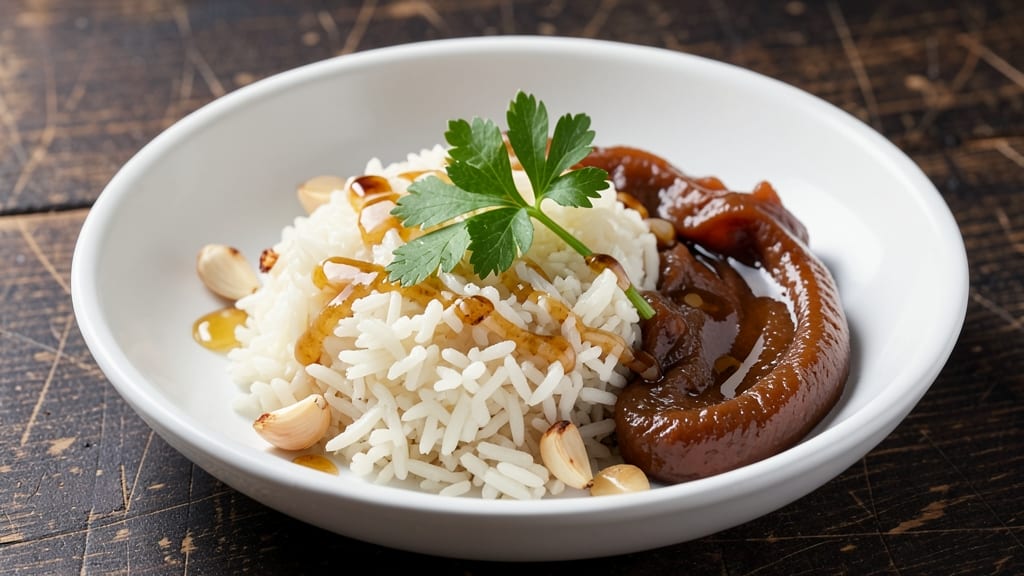
Mastering Gordon Ramsay’s rice recipe transforms simple grains into a creamy velvety masterpiece—no fancy equipment required. The secret lies in precise timing and technique, where each step builds layers of flavor while maintaining that signature restaurant-quality texture.
I’ve refined this method over years of testing, ensuring home cooks can replicate Ramsay’s results with confidence.
This recipe delivers 25 minutes of hands-on work for a dish that feels luxurious yet remains approachable. We’ll use a simple combination of ingredients—aromatic rice, butter, onions, and white wine—to create depth without complexity.
The key is patience: letting the rice absorb liquid gradually while stirring just enough to release starches for that signature creaminess.
By the end, you’ll have perfectly tender grains with a rich, velvety finish—no lumps, no grittiness, just restaurant-worthy texture. The aroma alone will have everyone asking for seconds, and the technique works for any rice variety. Let’s get started with a method that’s both foolproof and impressive.
Whether serving as a side or main, this rice pairs beautifully with proteins and vegetables. The versatile base can be customized with herbs, cheese, or spices, making it adaptable for any meal. Here’s how to nail it every time.
Ingredients for gordon ramsay rice
Simple ingredients transform into restaurant-quality rice with precise technique and patience.
| Ingredient | Amount | Notes |
|---|---|---|
| Long-Grain White Rice 🍚 | 1 ½ cups | Uncooked, preferably jasmine or basmati |
| Unsalted Butter 🧈 | 3 tbsp | European-style preferred for flavor |
| Yellow Onion 🧅 | 1 whole | Medium size, finely diced |
| Dry White Wine 🍷 | ½ cup | Sauvignon Blanc or Pinot Grigio |
| Chicken Stock 🍲 | 2 cups | Homemade or high-quality low-sodium |
| Garlic Cloves 🧄 | 3 cloves | Minced, fresh preferred |
| Fresh Thyme Leaves 🌿 | ½ tbsp | Or 1 tsp dried thyme |
| Sea Salt 🧂 | 1 ½ tsp | Diamond Crystal preferred |
| Black Peppercorns 🌶️ | ½ tsp | Freshly cracked preferred |
| Fresh Parsley 🌿 | ¼ cup | Chopped, for garnish |
| Heavy Cream 🥛 | ¼ cup | Full-fat for creaminess |
The rice variety matters here—jasmine or basmati provide that signature long-grain texture. Whole Foods or specialty Asian markets carry premium brands like Koda Farms or Calrose. For butter, European-style (like Plugrá or Kerrygold) adds nuanced flavor over regular American butter. The white wine should be dry and crisp, not sweet—Sauvignon Blanc or Pinot Grigio work perfectly. Chicken stock is non-negotiable for depth; homemade or high-quality low-sodium brands like Pacific Foods or Swanson are ideal. Fresh thyme and parsley elevate the dish, but dried works in a pinch at one-third the amount.
No white wine? Substitute additional chicken stock or dry vermouth. Fresh garlic is ideal, but powdered works at half the amount. For a richer finish, substitute heavy cream with crème fraîche. The sea salt should be Diamond Crystal or Maldon flaky salt—kosher salt works but has a different texture. If you're short on time, pre-minced garlic from the jar is acceptable, but fresh is always superior. The heavy cream can be replaced with Greek yogurt for a tangier profile, though it alters the texture slightly.
Store any unused rice in an airtight container in the refrigerator for up to 5 days. For longer storage, freeze portions for up to 3 months. The cream-based rice reheats beautifully—simply warm on the stove with a splash of water or stock. Garnish with fresh parsley just before serving to maintain vibrant color. This rice pairs exceptionally well with grilled proteins or roasted vegetables, making it a versatile base for any meal.
Why You'll Love This Recipe
- I’ll be real: this is my go-to when I’m too tired to plan. Toss it in while I grill steak or roast veggies—it cooks alongside everything. Even my picky teenager asks for seconds, and that’s saying something. (Yes, even on a Tuesday night.)
- Just Five Ingredients: I swear, this is the kind of rice that makes me question why I ever complicate things. One onion, a splash of wine, butter—that’s it. No fancy prep, no measuring cups, just layering those flavors until the rice practically sings.
- Wine-Infused Magic: Honestly, the white wine isn’t just there for show—it’s the secret. That bright acidity cuts through the richness of the butter, and the stock soaks in to make every grain tender yet distinct. It’s the kind of flavor that lingers, even after the last bite.
- Leftovers That Don’t Suck: Between us, most rice turns into sad, gluey mush by day three. Not this. The wine and butter keep it light, so my lunchbox gets gourmet meals for days. I’ve reheated this stuff cold from the fridge, and it’s still solid.
Step-by-step instructions for creamy velvety rice
This method delivers restaurant-quality texture with precise timing and technique.
Sauté the Aromatics in Butter
Melt the 3 tablespoons unsalted butter in a heavy-bottomed saucepan over medium heat. Add the 1 whole yellow onion and cook for 5-6 minutes until softened and translucent. The butter should foam gently but not brown.
Add the 3 cloves minced garlic and 0.5 tablespoon fresh thyme leaves, cooking for an additional 30 seconds until fragrant. This aromatic base forms the flavor foundation for the entire dish. Remove from heat briefly if the garlic begins to color too quickly—it should remain pale gold when finished.
Toast the Rice and Deglaze
Return the pan to medium heat and add the 1.5 cups long-grain white rice, stirring to coat each grain with the butter and aromatics. Toast the rice for 2-3 minutes until the grains become translucent at the edges and release a nutty aroma.
Pour in the 0.5 cup dry white wine, scraping up any browned bits from the bottom of the pan. Allow the wine to simmer until completely evaporated, which should take about 2 minutes. This deglazing step removes excess alcohol and enhances the rice's depth of flavor.
Simmer with Chicken Stock
Add the 2 cups chicken stock and bring to a gentle simmer. Stir once to distribute the liquid evenly, then reduce heat to low. Cover the pan tightly with a lid and cook for 15 minutes without stirring. The rice should absorb the liquid gradually, developing a creamy texture.
After 15 minutes, check the rice—it should be tender but still slightly firm in the center. If the liquid has been completely absorbed, add 1-2 tablespoons of stock to prevent drying. This step is critical for achieving the signature velvety texture without mushiness.
Finish with Cream and Season
Remove the pan from heat and stir in the 0.25 cup heavy cream. The cream will immediately begin to melt into the rice, creating a luxurious, silky consistency. Add the 1.5 teaspoons sea salt and 0.5 teaspoon freshly cracked black peppercorns, mixing well to distribute evenly.
Return the pan to low heat for 1-2 minutes to let the flavors meld. The rice should now have a glossy sheen and a velvety mouthfeel. If it appears too thick, add a splash of warm stock to reach your desired consistency. This final step ensures the creamy texture promised in the title.
Rest and Garnish
Transfer the rice to a serving dish and let it rest for 5 minutes, covered. This resting period allows the grains to fully absorb any remaining liquid and develop their final texture. The rice should be perfectly tender but still hold its shape.
Garnish with the 0.25 cup chopped fresh parsley just before serving. The parsley adds a bright contrast to the rich, creamy rice while maintaining the dish's professional presentation. Serve immediately while the texture remains at its peak.
Pro Tips For Making Gordon Ramsay Rice
- Sweat the Onion First: Don’t rush the onion—soften it in butter over medium-low heat until it’s translucent and just starting to caramelize (about 8-10 minutes). I used to blitz this step, and the wine would taste raw and harsh. Patience here means flavor that actually sings.
- Use Cold Stock: Start with cold chicken stock instead of hot—it prevents the rice from absorbing liquid too fast and turning mushy. I learned this after burning through three batches of overcooked rice. Trust me, your grains will thank you.
- Deglaze Aggressively: After the onions and wine, scrape every last bit of browned goodness from the pan with a wooden spoon. That crust holds the flavor, and skipping it means missing out on the depth Ramsay’s version is known for. (Yes, even if it looks like you’re scrubbing for gold.)
- Toast the Rice Dry: Before adding liquid, cook the rice in butter over medium heat until the grains are opaque and slightly nutty—about 2-3 minutes. This step locks in texture and prevents gummy rice. I was skeptical until I tried it; now I never skip it.
Regional styles of this recipe
French Risotto Style
Inspired by Gordon Ramsay’s refined techniques, this version transforms the rice into a luxurious risotto using arborio rice instead of long-grain. Start by cooking the rice in chicken stock (instead of wine) with white wine added midway for acidity.
Stir frequently for 18-20 minutes until al dente, then finish with Parmigiano-Reggiano and a touch of butter for that signature Italian creaminess. 🍷
Spanish Paella Adaptation
For a vibrant twist, use bomba rice and cook it in a wide, shallow pan (like a paella dish) over medium heat. Sauté saffron threads in olive oil before adding the rice, then layer in chicken, chorizo, and peas during cooking.
The key is partial cooking the rice first, then adding liquid gradually—just like Ramsay’s method, but with bold Spanish flavors. 🌶️
Japanese Koshihikari Pilaf
Swap the butter for sesame oil and chicken stock for dashi broth, then toast the Koshihikari rice until fragrant. Deglaze with sake instead of wine, then simmer with green onions and a pinch of furikake for umami depth.
The result is a delicate, slightly sweet rice with a delicate texture—perfect for pairing with grilled fish or teriyaki proteins. 🍜
Indian Basmati Pilaf
Use jasmine or basmati rice and cook it in vegetable stock with ginger-garlic paste and turmeric for warmth. Deglaze with a splash of white wine or vermouth, then finish with cashews, raisins, and a squeeze of lemon for a festive touch.
This version keeps the creamy texture while adding aromatic spices that Ramsay would approve of. 🌿
Mediterranean Lemon-Herb Rice
Infuse the chicken stock with lemon zest and fresh herbs (like oregano and parsley) while cooking. Finish with a drizzle of extra-virgin olive oil and a sprinkle of feta cheese for a bright, tangy twist.
This version is lighter but still creamy, ideal for summer meals or as a side to grilled seafood. 🍋
Mexican-Style Arroz con Leche
For a dessert-inspired take, cook the rice in half milk and half stock, then finish with cinnamon, vanilla extract, and a pinch of salt. Serve warm or chilled with a dollop of whipped cream—this sweet adaptation proves Ramsay’s technique works for both savory and sweet dishes. 🌶️✨
Nutrition facts
Frequently asked questions
Can I use this recipe with short-grain rice like sushi rice?
Short-grain rice won't achieve the same velvety texture—it's better suited for sticky dishes like sushi. For this recipe, stick to jasmine or basmati (long-grain varieties) to get that signature creamy yet distinct grain separation. The starch release works differently in short-grain rice, leading to mushiness rather than creaminess.
Why does my rice turn out mushy instead of creamy?
Mushy rice usually means overcooking or stirring too much. The key is minimal stirring during the 15-minute simmer—just once to distribute liquid. Also, check your rice-to-liquid ratio: long-grain rice needs about 2 cups stock per 1 cup rice. If it absorbs too fast, reduce heat slightly or add a splash of stock.
Can I make this recipe without wine?
Replace the 0.5 cup white wine with an extra 0.5 cup chicken stock or dry vermouth for depth. The wine's purpose is to deglaze and add acidity—stock maintains the same technique while keeping flavors balanced. Just skip the simmering step after adding the substitute.
How do I prevent the rice from sticking to the pan?
Use a heavy-bottomed saucepan (like stainless steel or cast iron) and ensure it's large enough for the rice to spread in a single layer. After adding stock, stir once to distribute, then cover tightly. Never let the rice boil—keep it at a gentle simmer. If it sticks, it means the pan wasn't hot enough initially or the rice was packed too tightly.
What’s the best way to reheat leftover creamy rice?
Add 1-2 tablespoons of warm stock or water per cup of rice, then cover and heat on low-medium for 3-5 minutes. Stir gently and add more liquid if needed. Avoid microwaving—it creates a rubbery texture. For extra creaminess, stir in a splash of heavy cream while reheating.