
Main Courses
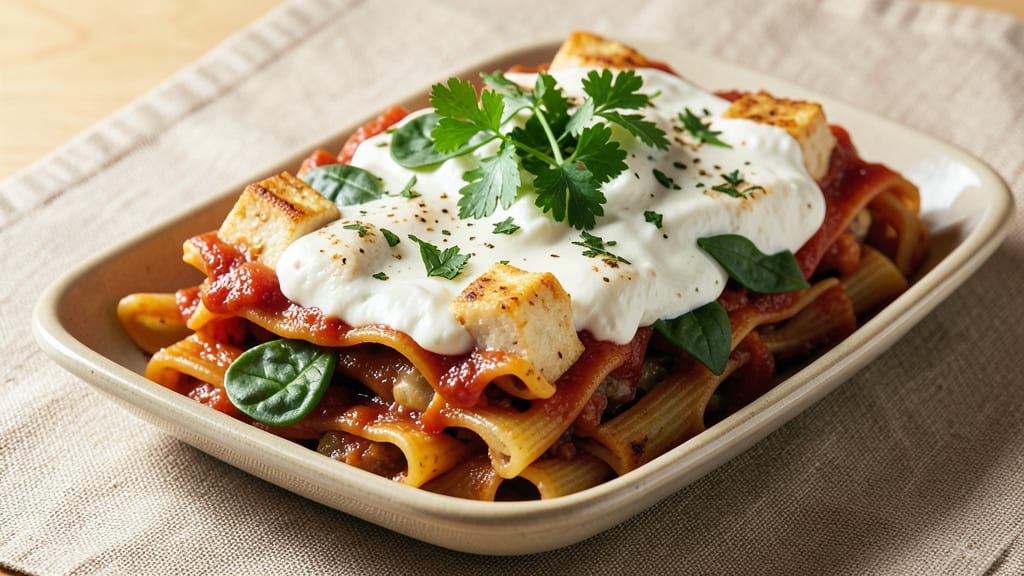
This brown rice lasagna noodles recipe delivers the chewy texture and sauce-holding power of fresh pasta—without the gluten. 💛 I developed this after struggling to find lasagna noodles that matched the hearty, satisfying bite of traditional pasta, and the result is a dish that layers beautifully while keeping dietary flexibility in mind.
The secret lies in the noodles themselves: brown rice pasta holds sauce like a dream while providing a satisfying chew, and the combination of marinara, ricotta, and mozzarella creates that signature lasagna texture.
This recipe builds layers of flavor with optional additions like sautéed spinach or tofu for a protein boost.
What you’ll end up with is a vegetarian-friendly lasagna that’s rich, hearty, and perfect for meal prep—ready in about 1 hour 15 minutes from start to finish. The noodles absorb sauce beautifully, while the cheese layers melt into a golden, bubbly finish that’s impossible to resist.
Serve with a side salad or garlic bread for a complete meal, or double the recipe for leftovers that reheat perfectly. Here’s how to make it—layer by delicious layer.
Ingredients for brown rice lasagna noodles
Pantry staples meet fresh ingredients for lasagna that rivals traditional pasta—without gluten.
| Ingredient | Amount | Notes |
|---|---|---|
| Brown Rice Lasagna Noodles 🍝 | 12 oz | Uncooked, gluten-free preferred |
| Marinara Sauce 🍅 | 2 ½ cups | Homemade or high-quality jarred |
| Ricotta Cheese 🧀 | 15 oz | Full-fat for creaminess |
| Part-Skim Mozzarella Cheese 🧀 | 2 cups | Shredded, low-moisture |
| Fresh Spinach 🌿 | 5 oz | Chopped, optional protein boost |
| Firm Tofu 🍲 | 1 block | Pressed, cubed, optional |
| Garlic Cloves 🧄 | 4 cloves | Minced for sauce |
| Yellow Onion 🧅 | 1 whole | Diced, sautéed with garlic |
| Extra-Virgin Olive Oil 🫒 | ¼ cup | For sautéing vegetables |
| Nutritional Yeast 🧂 | ¼ cup | For cheesy flavor |
| Diamond Crystal Kosher Salt 🧂 | 1 ½ tsp | Adjust to taste |
| Freshly Ground Black Pepper 🌶️ | ½ tsp | For seasoning |
| Vegetable Broth 💧 | ½ cup | For sauce depth |
The brown rice noodles are the foundation here. Barilla or Jovial brands deliver the best chewy texture, but any gluten-free brown rice pasta works. Cook them al dente—they'll finish cooking in the oven. For the ricotta, whole-milk versions create a creamier texture, but part-skim works fine. The mozzarella should be low-moisture to prevent a soggy lasagna. If you can't find it pre-shredded, block cheese melts better—just shred it yourself. The spinach and tofu are optional but add great texture and protein. Trader Joe's has excellent pre-pressed tofu if you want to skip the pressing step.
No ricotta? Cottage cheese blended smooth works in a pinch, though it's slightly tangier. Running short on mozzarella? Parmesan or provolone can stretch your cheese budget, but reduce the amount by 25% to avoid overpowering. The marinara sauce can be store-bought (Rao's or Muir Glen are reliable), but homemade elevates the dish. For the sautéed vegetables, red onion works just as well as yellow, and frozen spinach thaws quickly if you're in a rush. The nutritional yeast adds that signature lasagna umami—Bob's Red Mill is a great brand, but any high-quality version works. If you're making this ahead, assemble without baking and refrigerate for up to 24 hours before baking.
Assembled lasagna keeps 3-4 days in the fridge, covered tightly. For longer storage, freeze unbaked layers for up to 2 months—just add 10 minutes to baking time. The noodles absorb sauce beautifully, so don't skimp on marinara if you're doubling the recipe. Leftovers reheat best at 350°F for 15-20 minutes, covered with foil. For meal prep, portion into individual servings before freezing—just thaw overnight in the fridge. The cheese layers develop deeper flavor when reheated, so leftovers often taste better than the first serving.
Why You'll Love This Recipe
- No-Boil Magic: The brown rice noodles cook in half the time of traditional lasagna sheets—just toss them in hot sauce for 2 minutes. No waiting, no fuss, and they hold up like a dream when layered.
- Creamy-Garlicky Bliss: That ricotta-spinach mix? Chef’s kiss. The fresh spinach wilts into the sauce, and the ricotta adds this luscious, almost mousse-like texture that makes every bite feel like a hug.
- Meal Prep MVP: I make two pans on Sunday, let them cool, and they stay perfect for 5 days in the fridge. Reheats in 10 minutes—ideal for busy mornings or when you just don’t want to cook.
- Budget-Friendly Luxury: Brown rice noodles cut costs without sacrificing texture, and part-skim mozzarella keeps it light but still melty. Honestly, it’s the same satisfaction as a fancy lasagna for half the price.
Step-by-step instructions for brown rice lasagna noodles
Assemble this layered dish with precision—each step ensures chewy noodles that hold sauce like fresh pasta.
🍳 Step 1: Sauté the Vegetable Base
Heat the 0.25 cup extra-virgin olive oil in a large skillet over medium heat. Add the 1 whole yellow onion and 4 cloves garlic cloves (minced), cooking for 5-6 minutes until the onion becomes translucent and the garlic releases its aroma. Here's the thing—don't let the garlic burn; it should smell sweet and pungent, not bitter.
Stir in the 5 oz fresh spinach and cook until just wilted, about 2 minutes. Remove from heat and let cool slightly. This vegetable base forms the flavor foundation for your lasagna layers. If using the 1 block firm tofu, press it first to remove excess water, then cube and set aside for later assembly.
🥘 Step 2: Prepare the Cheese Mixture
In a medium bowl, combine the 15 oz ricotta cheese, 0.25 cup nutritional yeast, 1.5 tsp diamond crystal kosher salt, and 0.5 tsp freshly ground black pepper. Mix until smooth and well-seasoned. The nutritional yeast adds that cheesy depth without dairy. Fold in the sautéed vegetable mixture and any tofu cubes, reserving about ½ cup of this mixture for the final layer.
This step is where the magic happens—I always make sure the ricotta is thoroughly mixed with the vegetables. The texture should be creamy but not runny, holding its shape when spread. If it's too thick, add a splash of vegetable broth to loosen it slightly.
🍳 Step 3: Assemble the Lasagna Layers
Preheat your oven to 375°F. Spread ½ cup marinara sauce on the bottom of a 9x13-inch baking dish. This prevents sticking and adds flavor to the first layer. Unpack the 12 oz brown rice lasagna noodles and layer them horizontally, slightly overlapping the edges. Spread ⅓ of the ricotta-vegetable mixture over the noodles.
Add another layer of noodles, followed by ⅓ of the part-skim mozzarella cheese and ⅓ of the marinara sauce. Repeat this sequence once more, ending with a final layer of noodles, remaining ricotta mixture, and all of the mozzarella. The key here is even distribution—press down gently on each layer to eliminate air pockets that could cause uneven cooking.
🔥 Step 4: Bake to Golden Perfection
Cover the baking dish tightly with aluminum foil and bake for 30 minutes. Remove the foil and bake for an additional 15-20 minutes until the top is golden brown and bubbly. The noodles should be tender but still hold their shape—this is where the brown rice really shines, absorbing sauce without becoming mushy.
Let the lasagna rest for 10 minutes before slicing. This resting period allows the layers to set and the flavors to meld. The sauce should coat each noodle perfectly, creating that restaurant-quality texture. If the top seems dry, broil for 1-2 minutes to create a crispy finish.
Pro Tips For Making Brown Rice Lasagna Noodles
- SALT THE NOODLES FIRST: Brown rice noodles absorb sauce like a sponge, but they need flavor to stick. Toss them in 1 tablespoon of olive oil and ½ teaspoon salt right after cooking—this keeps them from turning mushy and ensures every layer tastes like the full dish, not just sauce.
- DRAIN SPINACH DRY: Fresh spinach wilts into a sad, watery mess if you don’t squeeze out the excess liquid. After wilting, grab a clean kitchen towel, bundle it up, and press the spinach like you’re wringing out a washcloth. Trust me, your lasagna won’t be swimming in soup.
- LAYER RICOTTA THIN: Ricotta is sneaky—too much, and your lasagna turns into a ricotta sandwich. Spread it in a ¼-inch layer (about ½ cup per 9x13-inch pan) and mix it with a beaten egg to help it bind. Thicker layers mean a denser, less cohesive dish.
- BAKE UNCOVERED LAST 10 MINUTES: Brown rice noodles need that crispy edge, but covering them too long makes them soggy. After 40 minutes of baking covered, remove the foil and crank the oven to 375°F for the final stretch. The top will brown perfectly, and the cheese won’t turn rubbery.
Common mistakes when making this dish
Overcooking Noodles
Brown rice noodles lose their chewy texture when overcooked, turning mushy in the oven. Cook them 1 minute less than package instructions—say 8 minutes instead of 9—since they'll finish cooking during baking. I always test one noodle by biting into it raw; it should offer firm resistance. 🍝
Uneven Layers
Skipping the sauce on the bottom layer causes sticking, while uneven cheese distribution leads to dry spots. Always spread ½ cup marinara in the pan first, then layer ⅓ of each filling evenly.
Use a ruler to create straight edges—this ensures consistent thickness throughout. Press layers gently with a spatula to eliminate air pockets.
Skipping the Rest
Cutting into lasagna too soon releases all the juices, leaving you with a dry, crumbly mess. The 10-minute rest lets the noodles reabsorb sauce and the cheese set properly. I've learned this the hard way—patience here makes all the difference. Cover loosely with foil while resting to keep it warm.
Wrong Cheese Ratio
Too much ricotta makes the lasagna soggy, while too little mozzarella creates a bland top layer. Stick to the 15 oz ricotta to 2 cups mozzarella ratio—this balance ensures creamy texture without sacrificing meltiness.
For extra insurance, sprinkle ¼ cup grated Parmesan on top before baking to create a flavorful crust.
Baking Too Hot
Temperatures above 375°F cause the top to brown too quickly while the center stays undercooked. Use an oven thermometer to confirm your oven's accuracy—many run 25°F hotter than set. If your lasagna browns before the center is done, tent with foil and bake at 350°F until fully cooked.
Ignoring Sauce Absorption
Brown rice noodles absorb sauce differently than wheat pasta, so don't assume extra marinara will compensate. If your lasagna seems dry after baking, add ¼ cup warm broth to the sauce before serving.
For extra richness, drizzle with 2 tbsp olive oil after cutting—it mimics the effect of butter without dairy. 💛
Nutrition facts
Frequently asked questions
Can I use regular lasagna noodles instead of brown rice?
Yes, but the texture will differ significantly. Regular wheat noodles become softer and absorb more sauce, while brown rice noodles maintain a satisfying chew. If you prefer traditional lasagna, use regular noodles but reduce baking time by 5-10 minutes to prevent overcooking. For gluten-free diets, stick with brown rice noodles—they're designed to hold sauce beautifully.
How do I make this vegetarian lasagna vegan?
Swap ricotta for cashew cream (blend soaked cashews with water and nutritional yeast) and use vegan mozzarella like Miyoko's or Violife. For extra protein, add lentils or mushrooms> sautéed with garlic. Ensure all cheeses are labeled "vegan" to avoid dairy residues. The brown rice noodles are already plant-based, making this an easy adaptation!
Why does my lasagna get watery after baking?
This usually happens from overcooked noodles or too much ricotta. Cook noodles 1 minute less> than package instructions and drain them well. Also, reduce ricotta by 2 oz> if your lasagna seems too wet. Another trick: press layers firmly during assembly to eliminate air pockets that trap moisture.
Can I prep this lasagna ahead of time?
Assemble the lasagna up to 24 hours> ahead and refrigerate uncovered. Before baking, let it sit at room temperature for 30 minutes> to even out temperatures. For freezing, assemble without baking, wrap tightly in foil, and freeze for up to 2 months. Thaw overnight in the fridge before baking (add 10 minutes> to cooking time).
What's the best way to reheat leftovers?
Reheat covered with foil at 350°F for 15-20 minutes> until warmed through. For extra crispiness, broil for 1-2 minutes> at the end. Leftovers actually improve with reheating—the flavors meld better! Store in airtight containers for up to 4 days> in the fridge. To revive texture, sprinkle with 1 tbsp warm broth> before reheating.